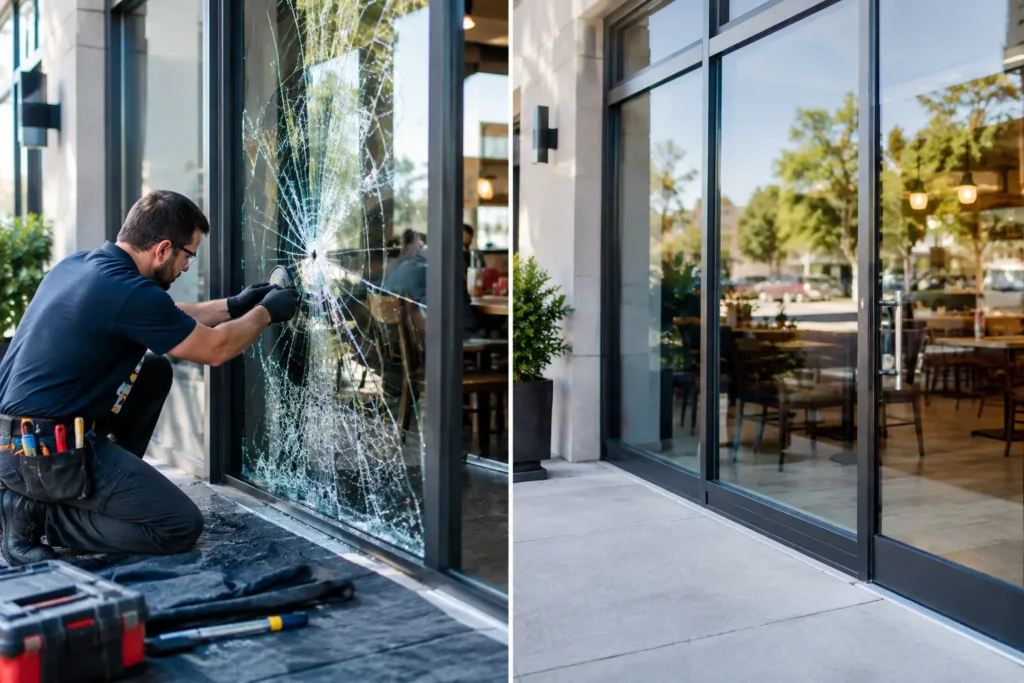
A restaurant door that will not close, latch, lock, or open smoothly can disrupt an entire shift. Restaurant door repair is not just a cosmetic fix. It protects your guests, employees, inventory, building access, and ability to keep serving safely. A cracked glass entry door, dragging aluminum door, failed closer, or broken panic hardware can quickly turn into lost revenue and a serious security concern.
For restaurant owners and managers, the right response depends on what failed, whether the location can still operate safely, and how quickly the problem can be contained. Some issues can wait for a scheduled repair. Others need immediate attention before the next customer walks in.
When Restaurant Door Repair Cannot Wait
A damaged entrance changes the way customers see your business before they ever reach the host stand. More importantly, it may leave the property exposed after hours or create a hazard during busy service. Do not wait for regular maintenance if glass is shattered, the door cannot be secured, the opening is exposed to weather, or an exit door no longer works as intended.
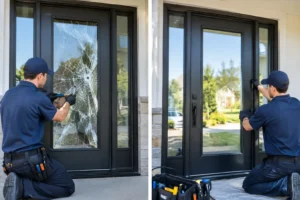
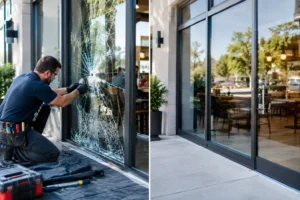
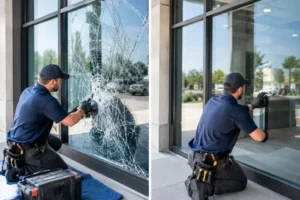
Broken or cracked door glass is especially urgent. Even a small crack can spread when a heavy commercial door closes repeatedly, when temperatures change, or when carts and deliveries move through the entrance. Loose glass and sharp edges put guests and staff at risk. If the glass has failed completely, the opening may also invite theft, water intrusion, pests, and unauthorized access.
A door that will not latch is another immediate concern. Restaurants often have early deliveries, late closings, cash-handling procedures, and valuable equipment inside. If the door cannot lock securely, the building should not be left unprotected. Temporary boarding or securing measures may be necessary while the correct replacement glass, hardware, or door component is prepared.
Exit doors deserve the same urgency. A rear kitchen exit, patio door, or emergency exit that sticks, binds, or has damaged panic hardware can create a safety issue. These doors must allow occupants to exit when needed while still securing the building from the outside. A quick workaround such as propping a door open may seem practical during a rush, but it can create security, weather, and compliance problems.
Common Restaurant Door Problems and What They Mean
Commercial restaurant doors work hard. They are opened hundreds of times a day, exposed to grease and moisture, pushed by delivery traffic, and subjected to temperature changes from kitchens, refrigeration areas, and outdoor entrances. That use takes a toll on both glass and hardware.
Cracked, shattered, or loose door glass
Tempered safety glass is common in restaurant entrances because it is designed to break into smaller pieces rather than dangerous shards. But once it breaks, the door is no longer secure or presentable. Insulated glass units can also fail without shattering. When the seal between panes fails, condensation or fogging may appear inside the glass. That makes the entrance look neglected and can reduce insulation performance.
The repair may involve replacing only the glass panel rather than the full door, depending on the frame condition and glass type. A professional glazing contractor can measure the opening, identify the correct safety glass, and install it precisely so the door operates properly afterward.
Doors that drag, sag, or will not close
A dragging door often points to worn hinges, loose pivots, a shifted frame, or damaged door hardware. On aluminum storefront doors, issues can also involve the bottom pivot, concealed closer, threshold, or frame alignment. Forcing the door can make the damage worse and may crack the glass or bend components that could otherwise be adjusted or replaced.
The trade-off is simple: a minor adjustment handled early is usually less disruptive than waiting until the door stops closing during dinner service. If staff members are lifting, slamming, or pulling hard on the door to get it shut, schedule an inspection before the problem becomes an emergency.
Failed door closers and panic hardware
A commercial door closer controls the speed and force of the door as it closes. When it fails, the door may slam, drift open, close too slowly, or stop short of latching. Slamming doors are hard on glass, frames, and customers. Doors that remain partially open create security and energy-loss problems.
Panic bars and exit devices require equally careful attention. A loose, damaged, or unreliable exit device should be repaired by a qualified commercial door professional. These parts affect how safely people can leave the building, particularly during crowded hours or an emergency.
Damaged frames, thresholds, and weather protection
Not every restaurant door issue begins with the glass. A bent aluminum frame, worn sweep, damaged threshold, or failed weatherstripping can allow rain, drafts, insects, and dirt into the building. Water around an entryway also creates a slip hazard and can damage flooring.
In the DC, Virginia, and Maryland area, seasonal weather makes door sealing particularly important. A properly fitted door helps keep cooled air inside during humid summers and reduces drafts during colder months. For high-traffic locations, durable commercial components and accurate adjustment matter more than a temporary patch.
What to Do Before Help Arrives
Your first priority is to protect people and prevent the damage from spreading. Keep guests and staff away from broken or unstable glass. If possible, block the affected entrance and direct traffic to another safe door. Avoid sweeping or handling large pieces of tempered glass without appropriate protective equipment.
If the door is open or cannot lock, move portable valuables away from the entrance and notify the appropriate manager, owner, or property contact. Take clear photos of the damage for your records and for the repair estimate. Do not tape cracked glass and assume it is secure. Tape may help contain loose pieces temporarily, but it does not restore the structural integrity or safety of the panel.
For a door that sticks or will not latch, do not force it. Repeated force can damage the door closer, pivots, frame, or glass. Instead, reduce use of the door, use a safe alternate entrance if available, and have the system evaluated. If the affected door is a required exit, treat the situation as urgent.
How Professional Commercial Door Repair Limits Downtime
Fast response matters, but the repair still has to be done correctly. Commercial glass doors require the right glass type, thickness, hardware compatibility, and installation method. An improperly fitted panel or poorly adjusted door can fail again quickly, interfere with locking, or create a safety risk.
A professional assessment starts by identifying whether the issue is isolated to the glass, hardware, frame, or a combination of these components. That distinction affects both cost and turnaround. For example, a broken single glass panel may be replaced without replacing the full storefront system. A door that will not close may need a pivot or closer repair, while a visibly twisted frame may require more extensive work.
For restaurants, timing also matters. Work may need to be scheduled around opening hours, deliveries, private events, or peak meal periods. The goal is to restore a secure, clean, functional entrance with as little interruption as possible. Quick Glass Repairs provides same-day availability when possible, 24/7 emergency response for urgent damage, free estimates, and licensed and insured commercial glass workmanship backed by warranties.
Preventing Repeat Door Failures
Restaurant doors do not need to fail suddenly. Regular attention can catch warning signs before they affect service. Train staff to report doors that scrape the floor, slam shut, fail to latch on the first try, show new cracks, or develop moisture between glass panes. These are not small annoyances in a commercial setting. They are early indicators that a component needs adjustment or replacement.
Cleaning also matters. Dirt, grease, and debris can build up around thresholds, tracks, hinges, and door bottoms. Keeping these areas clear helps doors close correctly and reduces wear. Avoid using harsh chemicals on glass seals or hardware unless the product is approved for that use.
If your restaurant has a busy patio entrance, delivery door, or main glass storefront door, consider periodic professional checks. High-traffic openings may need closer adjustments, hardware tightening, weatherstrip replacement, or glass inspection more often than a low-use office entrance. The right schedule depends on traffic, door type, and exposure to weather.
A reliable restaurant entrance should not be something your team has to fight with every shift. If the door is damaged, difficult to operate, or no longer secure, address it before a minor issue reaches your guests, affects service, or leaves your property exposed.