
A loud delivery truck at 6 a.m., a neighbor’s leaf blower, Metro-area traffic that never seems to stop – unwanted noise can make a perfectly good home feel exposed. This guide to window noise reduction helps you identify where sound is getting in, which fixes are worth your money, and when a damaged window needs prompt professional attention.
Window noise is not always a sign that you need to replace every window in the house. Sometimes the problem is a failed seal, a loose sash, worn weatherstripping, or a small gap around the frame. In other cases, the glass and window design simply cannot handle the level of noise outside. The right answer depends on the source of the sound, the condition of the window, and how much improvement you need.
Why outside noise gets through windows
Sound travels through air, vibrations, and gaps. Windows can transmit noise in all three ways. Thin glass vibrates more easily than thicker glass. Two panes that are identical in thickness can allow certain sound frequencies to pass through more readily. Any opening around a sash, frame, lock, or exterior trim gives sound a direct path indoors.
This is why a window may look fine but still perform poorly. A small gap in weatherstripping may be enough to make traffic, conversations, sirens, and construction noise feel much closer than they are. A cracked pane or a broken insulated glass unit can make the problem worse while also creating a security and weather-exposure issue.
In the DC, Northern Virginia, and Maryland area, noise often comes from more than one direction. Homes near busy roads may deal with constant tire noise and buses, while condos and townhomes can pick up voices, HVAC equipment, loading activity, and nearby construction. Before choosing a fix, spend a day noticing when the sound is worst and where it is most noticeable.
A practical guide to window noise reduction
The most effective approach starts with the window’s weakest point. Do not assume thicker glass alone will solve the issue if air is leaking around the frame. Likewise, do not expect new weatherstripping to block heavy street noise when the existing glass is thin and the window is in otherwise good condition.
Start by checking for air gaps and movement
On a calm day, stand near the window and listen closely. If you hear a sharp increase in noise around the edges, inspect the weatherstripping, caulk, locks, and sash alignment. You may also feel a draft during colder weather. Windows that rattle when a truck passes or when you close a door may have loose hardware, deteriorated components, or improper fit.
Sealing these gaps can make a noticeable difference because it stops sound from slipping around the glass. It can also improve comfort and energy efficiency. However, caulk is not a repair for rotted framing, broken glass, or a window that will not close or lock properly. Those conditions need a proper assessment before more damage develops.
Repair broken, loose, or failed window components
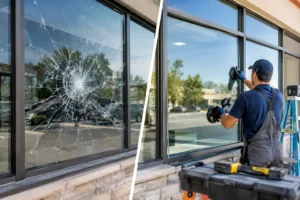
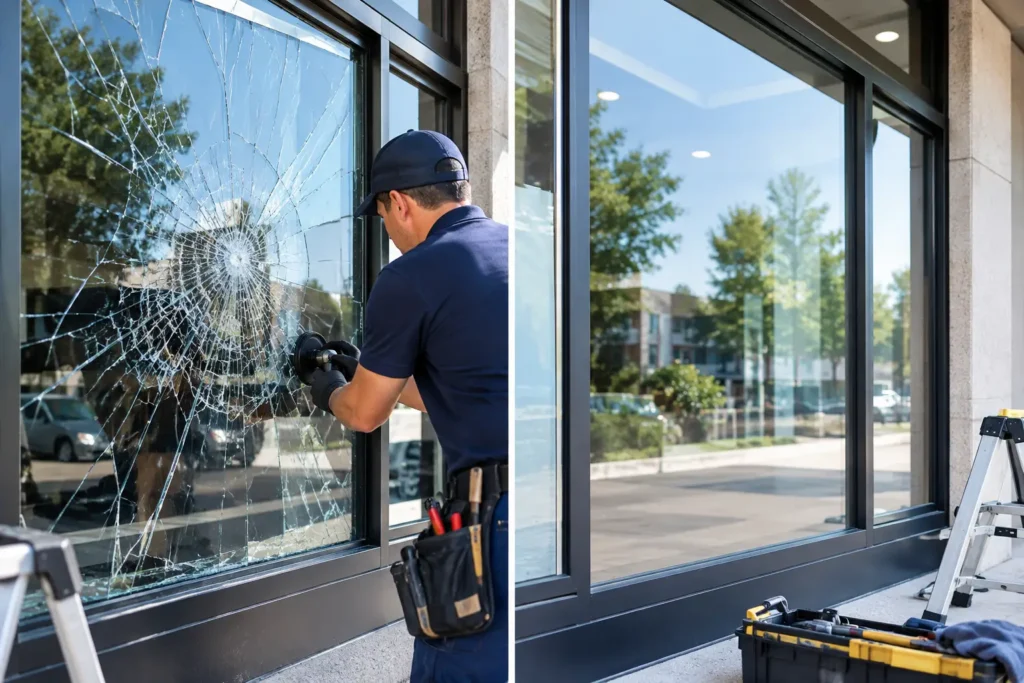
A damaged window is not just a noise issue. Cracked glass, a loose pane, failed seals, and damaged frames can compromise safety, security, and protection from rain and cold air. If the noise increase happened suddenly after impact damage, a storm, or a break-in attempt, secure the opening quickly rather than waiting for a scheduled upgrade.
Fog between double-pane glass usually means the insulated glass unit’s perimeter seal has failed. Fogging does not automatically create a major noise problem, but it is a clear sign that the unit is no longer performing as designed. Replacing the insulated glass unit may restore clarity and thermal performance without requiring a full window replacement, provided the frame and operating parts are in good shape.
Choose glass designed to reduce sound
For significant outside noise, laminated glass is often one of the strongest options. It uses two layers of glass bonded with a durable interlayer that helps dampen vibration and reduce sound transmission. It can also offer added safety benefits because the glass tends to remain held together after breakage.
Another effective option is an insulated glass unit with panes of different thicknesses. This is called asymmetrical glazing. Because the two panes respond differently to sound frequencies, it can reduce a wider range of noise than two matching panes. The airspace between panes also matters, although bigger is not always better if the rest of the window system is poorly sealed.
These upgrades come with trade-offs. Laminated and specialty insulated glass generally cost more than standard replacement glass, and not every existing frame can accept a thicker unit. A glazing professional should measure the opening, confirm the hardware can support the weight, and verify that the proposed glass meets the window manufacturer’s requirements.
Consider window inserts or secondary glazing
A secondary interior panel or a well-fitted window insert creates another barrier between your room and the outside. This can be especially useful in older homes where preserving original windows matters or where a full replacement is not practical. The extra air space can improve sound control substantially when the insert fits tightly.
The downside is convenience. Some inserts need to be removed for cleaning or emergency egress, and bedroom windows must still meet safety requirements. This is not a place for a loose, one-size-fits-all panel. A poor fit can leave gaps and deliver disappointing results.
Do not overlook doors and adjacent openings
If you have upgraded the window but the room is still loud, the sound may be coming through a nearby sliding glass door, entry door, wall vent, fireplace damper, or poorly sealed exterior opening. Sound takes the easiest available route. In a living room with a large glass door, improving only a small nearby window may not change much.
This is also common in commercial spaces. A storefront window may be performing well while noise enters through door sweeps, framing joints, or aging glass at another part of the facade. Looking at the whole opening prevents spending money on the wrong repair.
What will not make a major difference
Heavy curtains, cellular shades, and rugs can soften echoes inside a room and make it feel calmer. They are useful finishing touches, particularly in bedrooms and home offices. But they will not replace a tight seal, sound-reducing glass, or a properly functioning window.
Similarly, adding more caulk to every visible seam is not always the answer. Exterior drainage paths and weep holes serve a purpose. Blocking them can trap water and create a larger repair later. Use targeted repairs based on what is actually failing.
When to call for professional window service
Call for an inspection when a window is cracked, broken, difficult to lock, rattling, visibly separated from its frame, fogged between panes, or allowing obvious drafts and water intrusion. These issues can affect more than noise. They may leave your home or business vulnerable to weather damage and unauthorized entry.
For a sudden break, do not handle loose shards or leave the opening unprotected overnight. Secure people and pets away from the area, then arrange emergency glass service. Quick Glass Repairs provides fast, licensed and insured glazing service for damaged windows and glass doors throughout the DMV, with clear estimates and workmanship backed by warranties.
A quieter room is rarely the result of one magic product. It comes from matching the repair or upgrade to the actual path the noise is taking. Start with the condition of the window, fix damage without delay, and choose better glazing only where it will deliver a meaningful improvement. That is how you get less noise without paying for work your home does not need.