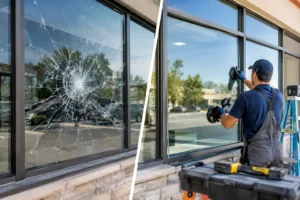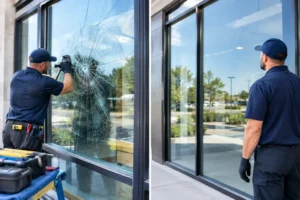
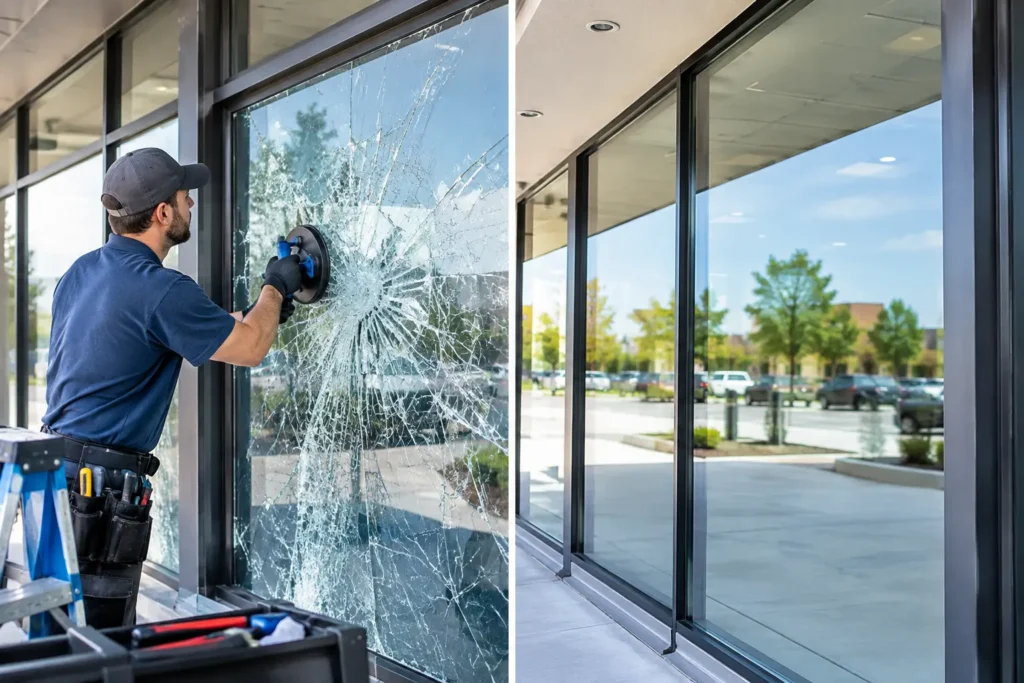
A shattered storefront door, cracked sidelites beside an entry door, or a vulnerable ground-floor window can change how safe a property feels in minutes. Security glazing is designed to make that breach harder, slower, and safer to manage. It can help protect people, property, and business operations without turning a bright, welcoming space into a fortress.
For homeowners, property managers, and business owners, the best choice is rarely just “thicker glass.” Effective protection depends on the glass, the frame, the hardware, and the way every component is installed. That is why the right glazing solution starts with the actual risk at the opening.
What Is Security Glazing?
Security glazing is a broad term for glass systems designed to resist forced entry, impact, breakage, or the release of dangerous shards. It may use laminated glass, tempered glass, insulating glass units made with protective panes, security films, specialized framing, or a combination of these materials.
The goal varies by location. A retail storefront may need to stay in place after an attempted break-in so the opening cannot be cleared quickly. A home near a busy walkway may need glass that reduces injury risk if it breaks. An office or multifamily building may need controlled access at glass entry doors while still preserving visibility and natural light.
A key point: security glass does not always mean unbreakable glass. Most systems are designed to resist impact and delay entry, not promise that no determined person can ever get through. That delay matters. It can discourage an intruder, give occupants time to move to safety, and allow alarms or responders to do their job.
Security Glass and Safety Glass Are Not the Same
Safety glass protects people primarily from sharp, dangerous fragments. Tempered glass, for example, is heat-treated to break into many small pieces rather than large jagged shards. It is commonly used in doors, shower enclosures, and other locations where human impact is more likely.
Laminated glass is made from two or more sheets of glass bonded with an interlayer. When damaged, the interlayer can hold broken pieces together. That makes it useful where containment and forced-entry resistance are priorities.
Both materials can improve safety, but they perform differently after impact. Tempered glass can break suddenly and leave an opening. Laminated glass may crack in a spiderweb pattern yet remain held in the frame. For a street-facing commercial door or a window exposed to a break-in risk, that distinction can be significant.
Security film is another option, but it deserves an honest assessment. Professionally installed film can help retain broken glass and may improve resistance in some applications. It does not automatically turn ordinary glass and a weak frame into a high-security system. The attachment method, existing glass condition, frame strength, and threat level all affect results.
Where Security Glazing Makes the Most Sense
Not every window requires the same level of protection. Focusing upgrades on the most exposed or vulnerable openings often delivers better value than applying one product everywhere.
Ground-Level Doors and Windows
Entry doors with glass panels, sidelites, patio doors, basement windows, and first-floor windows are common priorities. These openings may be more accessible from a street, parking area, alley, or rear yard. Laminated glazing can help keep the opening intact after impact, especially when paired with a sound frame and properly functioning locks.
For sliding glass doors, security also depends heavily on the track, rollers, locking mechanism, and anti-lift hardware. Upgrading the glass while leaving a loose or damaged door system unaddressed can limit the benefit.
Retail Storefronts and Offices
Commercial glass has to do more than resist damage. It has to welcome customers, display merchandise, meet operational needs, and maintain a professional appearance. Storefront security glazing can reduce the speed of a break-in and help contain broken glass after an incident.
For a business, the best option may be a targeted replacement of a damaged pane, a laminated glass upgrade for a vulnerable door, or a broader review of storefront framing and entry hardware. The right scope depends on the location, hours of operation, prior incidents, and whether the property is vacant overnight.
Multifamily and Shared-Access Properties
Property managers often need durable glazing at lobby doors, common-area windows, mailrooms, stairwells, and amenity spaces. These areas see frequent use, and a broken pane can become both a security issue and a liability concern. A prompt, precise repair helps restore controlled access and keeps the property presentable for residents and visitors.
The Frame Is Part of the Security System
Glass gets the attention, but the surrounding system determines a great deal of real-world performance. A laminated pane installed in a deteriorated wood sash, bent aluminum frame, or poorly secured door may not perform as intended under impact.
During an evaluation, look beyond the visible glass. Is the frame firmly anchored? Are glazing stops secure? Does the door latch fully and align with the strike plate? Are seals failing, allowing water or drafts into the assembly? Is the insulated glass fogged or cracked, suggesting a failed unit that should be replaced?
For commercial doors, closers, pivots, panic hardware, hinges, and locking components deserve the same attention. Security is not one product. It is the condition of the whole opening.
How to Choose the Right Security Glazing
Start with the reason for the upgrade. If the main concern is preventing injury from accidental breakage, tempered or laminated safety glass may be appropriate depending on the opening. If the concern is forced entry, choose a system designed to remain in place and work with the existing frame and locks. If weather exposure or energy costs are also concerns, an insulated unit with a laminated pane may offer a more complete solution.
Appearance matters, too. Clear security glazing preserves sightlines. Tinted, patterned, low-emissivity, or decorative options may be available depending on the system, but every added feature can affect cost, lead time, and performance. Historic homes, condominium rules, and commercial lease requirements can also shape the final decision.
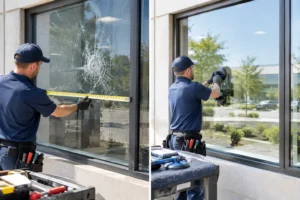
A professional glazing contractor can measure the opening, identify the existing glass and frame type, and explain realistic options before ordering materials. That prevents a common and costly mistake: selecting a pane that looks right but does not fit the frame, meet the needs of the opening, or deliver the expected level of protection.
What to Do After Glass Is Broken
Do not wait with broken glass, especially at a door, storefront, or accessible window. Keep people away from the area, avoid touching loose fragments, and secure the space if it can be done safely. If there is an immediate threat to people or property, contact emergency services first.
Next, arrange professional glass service as soon as possible. A temporary board-up may be necessary when replacement glass is not immediately available, but it should be treated as a short-term measure. Water, wind, pests, unwanted entry, and additional damage can become bigger problems when an opening remains exposed.
Take clear photos for your records before cleanup if it is safe to do so. For commercial properties, document the opening, frame condition, and any damage to door hardware or adjacent panels. This gives the glazing professional a better starting point and supports a more accurate repair plan.
Quick Glass Repairs provides responsive, licensed and insured glazing service for homes and commercial properties across the DMV, including emergency situations where an opening needs to be secured quickly. Clear communication matters just as much as the repair itself: you should know what was damaged, what needs to be ordered, and when the final installation will be completed.
Protection Should Not Mean Living With Dark, Heavy Openings
The strongest choice is not always the most expensive glass on the market. It is the system that fits the opening, addresses the real risk, and is installed correctly. A well-planned security glazing upgrade can preserve daylight and curb appeal while giving you more time and protection when an impact or attempted break-in occurs.
If a pane is cracked, a door no longer closes securely, or a storefront opening has already been compromised, treat it as a repair that deserves prompt attention. Restoring the glass correctly helps restore the confidence to use the space normally again.