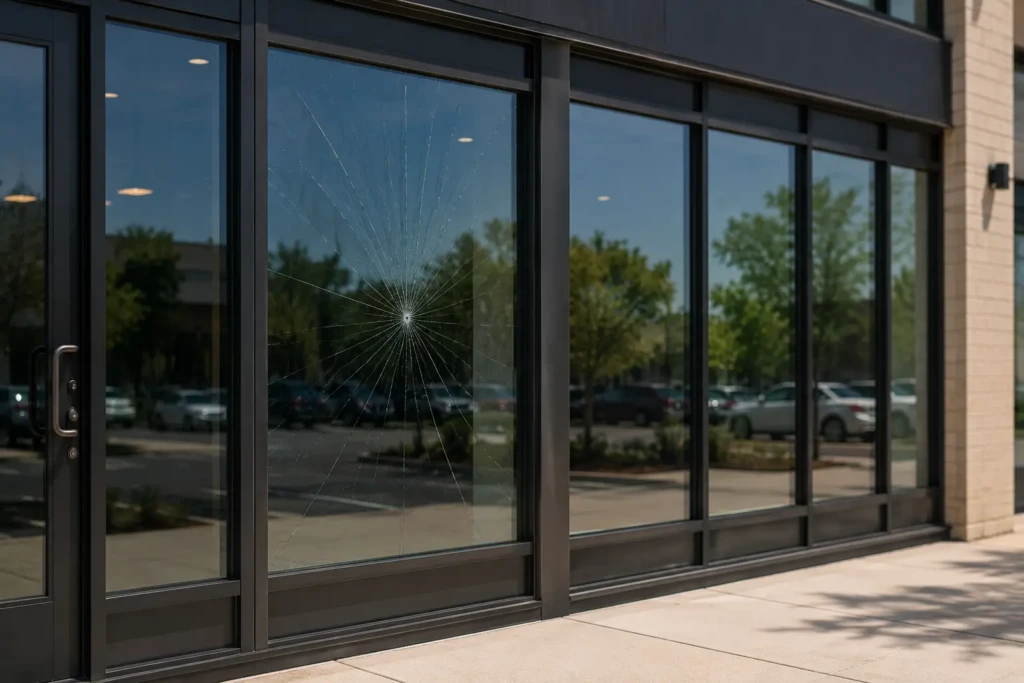
A damaged storefront can quickly become a major concern for business owners. Beyond appearance, broken or damaged glass affects security, customer perception, energy efficiency, and daily operations.
One of the most common questions business owners ask is whether they should choose storefront glass repair or complete replacement.
The answer depends on several factors, including the severity of the damage, safety concerns, and long-term costs.
Why Storefront Glass Matters
Your storefront is often the first thing customers see.
Clean, modern, undamaged glass creates a professional appearance and helps establish trust before a customer even enters the building.
Damaged glass can create the opposite impression.
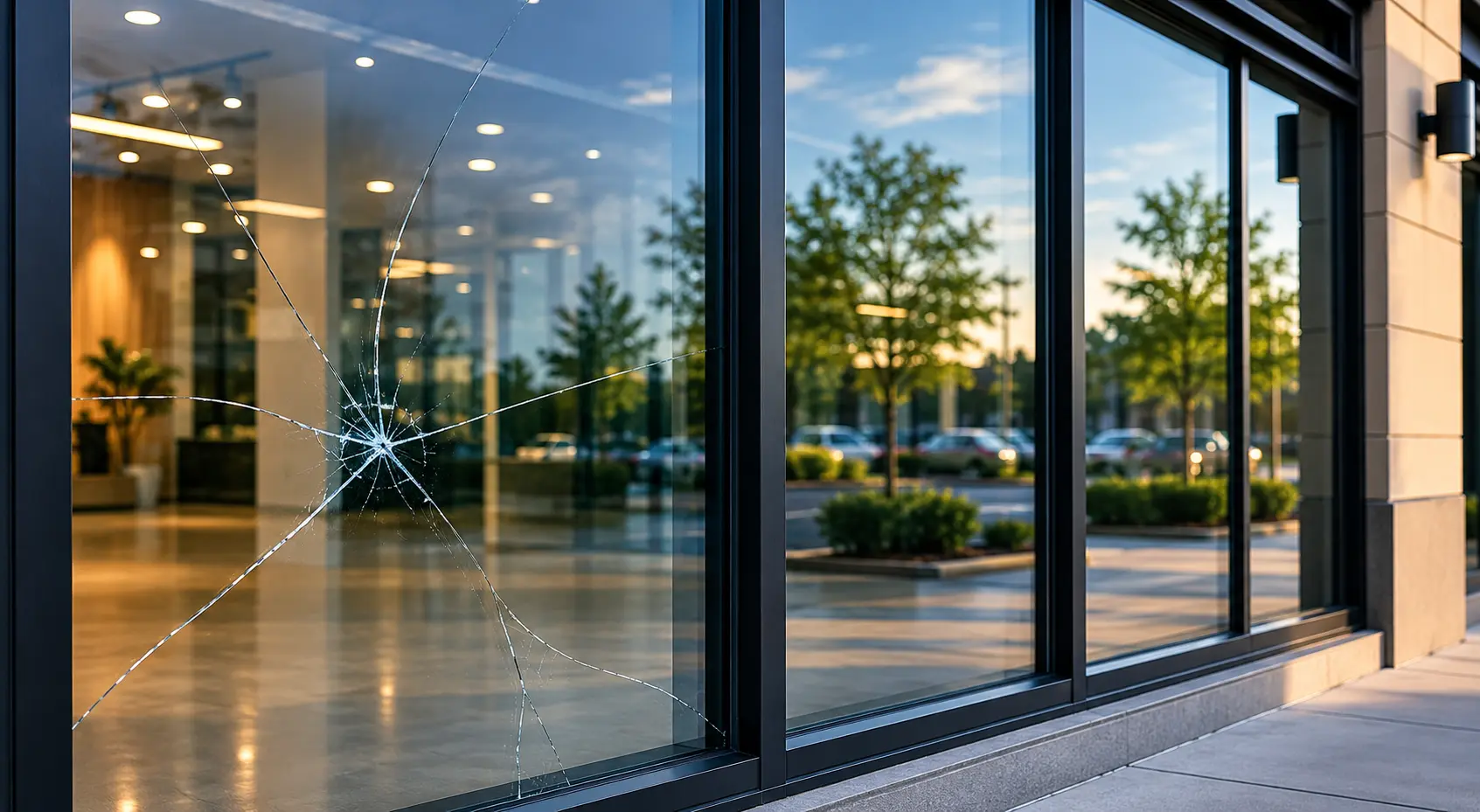
Cracks, chips, fogging, and impact damage can make a business appear neglected and may discourage potential customers.
When Storefront Glass Repair Is the Better Choice
Repair is often the most cost-effective option when the damage is minor.
Examples include:
- Small chips
- Surface scratches
- Minor seal issues
- Limited edge damage
Repair solutions can restore appearance and functionality while avoiding the higher costs associated with full replacement.
In many cases, repairs can be completed quickly with minimal disruption to business operations.
When Replacement Becomes Necessary
Some situations require complete storefront glass replacement.
These include:
Large Cracks
Structural integrity may already be compromised.
Safety Glass Damage
Tempered and laminated glass systems often require replacement after significant impact.
Failed Insulated Glass Units
Fogging between panes indicates seal failure. Replacement is usually the most effective solution.
Repeated Repairs
If the same glass has been repaired multiple times, replacement may be more economical in the long run.
The Hidden Costs of Delaying Repairs
Business owners sometimes postpone repairs to avoid immediate expenses.
Unfortunately, waiting often increases costs.
Small cracks can spread.
Seal failures can worsen.
Security vulnerabilities can create liability risks.
Prompt action frequently prevents more expensive repairs later.
Energy Efficiency Considerations
Modern storefront systems offer significant energy-saving benefits.
Older glass may allow excessive heat gain during summer and heat loss during winter.
Replacing outdated glass can improve:
- Indoor comfort
- HVAC efficiency
- Utility costs
- Building appearance
For many businesses, these long-term savings help offset replacement costs.
How Commercial Glass Professionals Evaluate Damage
Professional technicians typically inspect:
- Crack location
- Glass thickness
- Safety code compliance
- Frame condition
- Seal performance
- Structural concerns
This assessment helps determine whether repair or replacement provides the best value.
Signs Your Business Needs Immediate Attention
Contact a commercial glass repair specialist if you notice:
- Visible cracks
- Impact damage
- Loose glass panels
- Foggy insulated glass
- Water intrusion
- Security concerns
Early intervention often reduces repair costs.
Why Professional Commercial Glass Services Matter
Commercial glass systems are different from residential windows.
Storefronts often use specialized tempered, laminated, or insulated glass designed to meet commercial safety standards.
Professional commercial glass services ensure:
- Code compliance
- Proper installation
- Improved durability
- Enhanced safety
- Long-term performance
Final Thoughts on Storefront Glass Repair vs. Replacement
Choosing between storefront glass repair and storefront glass replacement depends on the extent of the damage and your long-term goals.
Minor issues can often be repaired affordably. More serious damage usually requires replacement to maintain safety, appearance, and energy efficiency.
For businesses throughout Washington DC, Northern Virginia, and Maryland, addressing storefront glass issues quickly helps protect customers, employees, and property while preserving a professional image. At Quick Glass repairs, we offer the solutions you need.
FAQ
Can a cracked storefront window be repaired?
Small cracks may sometimes be repaired, but larger cracks typically require replacement.
How long does storefront glass replacement take?
Standard replacements may take a few hours, while custom glass can require additional fabrication time.
Is storefront glass replacement covered by insurance?
Coverage depends on the cause of the damage and the details of the policy.
What type of glass is used in storefronts?
Most commercial storefronts use tempered, laminated, or insulated safety glass designed for durability and code compliance.