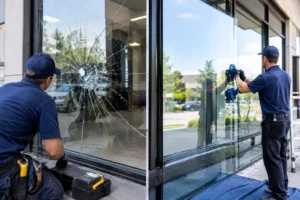

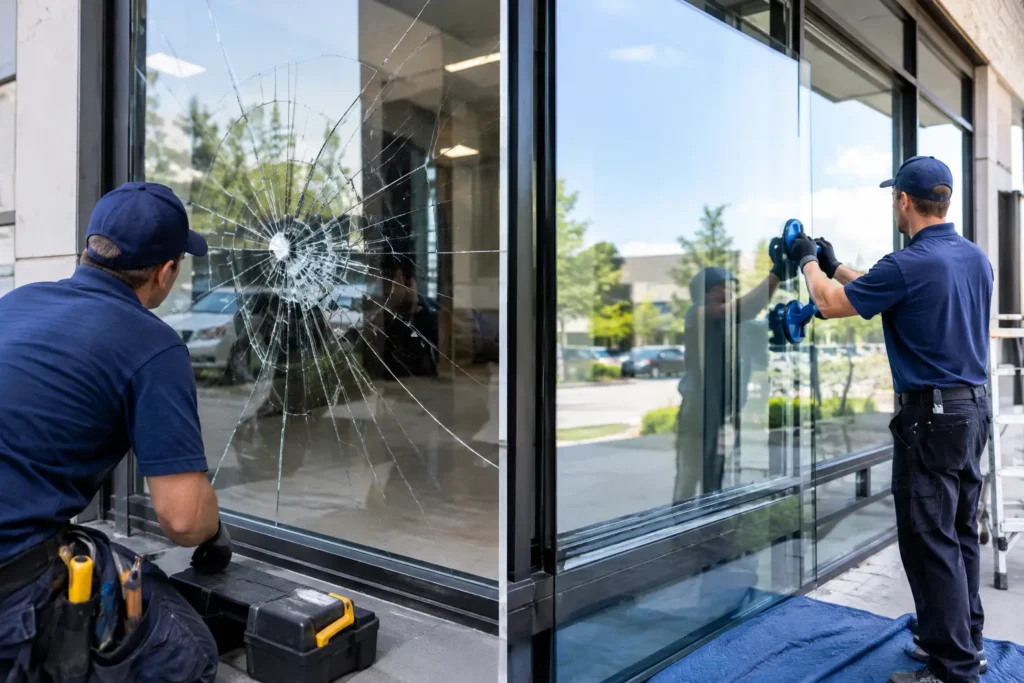
A cracked storefront pane after closing, a shattered patio door before a storm, or a fogged bedroom window that has slowly worsened for years do not belong in the same scheduling category. Glass installation timing should be based on the risk at hand: safety first, security next, weather exposure, then performance and appearance. Waiting can turn a contained glass problem into water damage, higher utility bills, a break-in risk, or an avoidable interruption to your home or business.
For property owners across the DMV, the best time to schedule glass work is often sooner than expected. The right glazing professional can separate what needs immediate protection from what can be carefully measured, ordered, and installed on a planned visit.
When Glass Installation Timing Is an Emergency
Broken glass is not merely cosmetic. Any opening that leaves sharp edges, loose fragments, an unsecured entry point, or direct weather exposure needs prompt attention. That includes cracked entry-door glass, broken windows at ground level, damaged sliding glass doors, shattered shower enclosures, and commercial doors or storefront panels.
Act immediately when glass has broken after a forced entry, accident, severe weather event, or impact. Keep people away from the area, especially children, pets, customers, and employees. Do not press tape across severely fractured glass or try to remove large pieces from a frame yourself. A temporary board-up or safety measure may be necessary until the correct glass can be installed.
For a retail location, office, or multifamily property, timing is especially critical. A damaged glass door can prevent secure closing, create liability concerns, and make the property look unattended. Fast professional service helps protect the building while limiting downtime for residents, staff, and customers.
Quick Glass Repairs provides 24/7 emergency response for urgent residential and commercial glass issues. The goal is straightforward: make the opening safe, secure the property, and clearly explain the next steps for permanent repair or replacement.
Signs You Should Schedule Glass Work Soon
Not every glass issue needs a late-night call, but many deserve a scheduled inspection before they get worse. A crack can spread when temperatures change. A door that drags or no longer locks properly can place stress on the glass and hardware. Moisture between double-pane window glass means the insulated seal has failed, reducing clarity and energy performance even if the pane has not broken.
Schedule service soon if you notice condensation or fogging inside insulated glass, chipped edges around a door or window, loose glazing, rattling panes, drafts near a window frame, or a shower door that no longer closes cleanly. These problems can often be addressed more efficiently before surrounding materials are damaged or the glass fails completely.
The same applies to mirrors and decorative glass. A wall mirror that is loosening, cracked, or showing dark edge deterioration should be evaluated before it becomes a falling hazard. In a bathroom, damaged mirror edges and moisture intrusion can continue spreading behind the glass.
The Best Season for Planned Glass Replacement
There is no single perfect season for every project. Professional glass installation can be completed year-round when conditions and materials allow it. Still, timing affects comfort, scheduling, and the scope of the work.
Spring and fall are popular for planned window glass replacement, door glass upgrades, and custom shower projects because temperatures are moderate. Homeowners may be more likely to notice failed seals, drafts, and condensation after winter, then schedule work before the hottest summer weather arrives. These seasons can also be busy, so it is smart to request an estimate early if your project is flexible.
Summer can be an excellent time to replace failed insulated glass units, particularly when poor window performance is making rooms uncomfortable. Installation may need to be coordinated around thunderstorms, extreme heat, and property access, but waiting through another hot season with compromised glass can mean higher cooling costs and more strain on your HVAC system.
Winter installation is possible, too. For a broken or failing window, delaying until spring is rarely the smart move. Experienced installers can work efficiently to limit exposure while replacing the affected glass. The practical consideration is weather on the installation day, not a blanket rule that glass work must wait for warm temperatures.
Glass Installation Timing Depends on the Product
A standard repair and a custom glass project move at different speeds. Clear communication about this difference prevents frustration and helps you plan around access, occupants, and business hours.
Standard Window and Door Glass Repairs
Some glass repairs can be measured, sourced, and completed quickly, particularly when the opening uses common glass types and dimensions. Broken single-pane glass, certain insulated glass units, door lites, and basic replacement panels may be available on a same-day or short-turnaround basis.
That said, the technician still needs to confirm the exact size, thickness, safety-glass requirements, frame condition, and hardware compatibility. Guesswork creates delays and can lead to an improper fit. Precise measurement is part of getting the job done once and getting it done right.
Custom and Specialty Glass Projects
Frameless shower doors, custom mirrors, specialty patterned glass, oversized panels, tempered glass, laminated safety glass, and commercial storefront systems typically require fabrication. The initial visit is used to measure carefully, review layout and hardware, identify code or safety requirements, and confirm the final design before ordering.
For these projects, schedule installation timing around the full process rather than only the final appointment. If a bathroom remodel is underway, the shower opening should be ready and stable before final measurements. Tile, waterproofing, curbs, walls, and finishes need to be complete. Measuring too early can produce an expensive mismatch if tile thickness or wall alignment changes later.
For commercial work, consider access restrictions, customer traffic, security needs, and delivery logistics. Installing after business hours may reduce disruption, but it should be coordinated in advance so the site is accessible and safe for the crew.
What Can Delay an Installation
The fastest path is not always the best path. Glass installation may need to be postponed if the frame is rotted, warped, loose, or heavily damaged. Replacing glass in an unstable frame can lead to premature seal failure, drafts, poor operation, or another breakage event.
Weather can also matter. Heavy rain, high winds, lightning, and unsafe temperatures may make exterior work impractical for a period of time. This is not a sign that your project has been forgotten. It is a safety and quality decision. A reputable glazing contractor should keep you updated, reschedule promptly, and explain whether temporary protection is needed.
Material lead times are another factor. Special-order glass, custom fabrication, and matching an existing tint or pattern may take longer than a basic repair. Ordering the wrong product to save a few days is not a real solution. The correct glass should fit the opening, meet applicable safety requirements, and deliver the performance you expect.
How to Prepare for Your Installation Appointment
A little preparation keeps the visit efficient. Clear furniture, curtains, blinds, and fragile items away from the work area. For exterior windows, provide access to gates, balconies, or secured common areas. If the glass is in a rental unit, confirm that the authorized property owner or manager has approved the work.
For businesses, tell staff about the scheduled work and identify the best contact on site. If the repair affects a secured entrance, plan how employees, deliveries, and customers will enter during the appointment. Technicians should protect the work area and clean up broken material, but clear access helps them complete the installation without unnecessary delays.
Before the work begins, ask what will be replaced, whether the frame and hardware have been inspected, what temporary measures are needed if custom glass is on order, and what warranty applies. A clear estimate and direct answers are signs that the job is being managed responsibly.
Do Not Let a Small Glass Problem Choose the Timeline
The right time for glass installation is the moment the condition creates a safety concern, weakens security, allows weather inside, or starts affecting how your property functions. Emergency damage deserves immediate action. Fogged panes, drafts, sticky doors, and outdated glass deserve a scheduled solution before they become more costly repairs.
If you are unsure how urgent the issue is, take a clear photo from a safe distance and request a professional assessment. A quick, accurate answer can protect your property today and give you a dependable plan for the installation ahead.