
A window that closes but will not lock is not a minor annoyance. It is a gap in your home’s security, a potential weather problem, and, for families with young children, a safety concern. Window locks are most effective when the lock, sash, frame, weatherstripping, and glass all work together. If one part is damaged or out of alignment, forcing the lock can make the problem worse.
For homeowners, landlords, and property managers, the right response depends on what failed and why. Some issues need a simple adjustment. Others point to a warped frame, broken sash, damaged insulated glass unit, or a window that should be professionally repaired or replaced.
What Window Locks Actually Do
Most residential window locks pull two meeting surfaces tightly together. On a double-hung window, the lock draws the upper and lower sashes together at the meeting rail. On a casement window, the crank mechanism and latch pull the sash against the frame. Sliding windows use latches or lever locks to keep one panel from moving along its track.
That pressure matters. A properly engaged lock helps keep the window closed during wind and rain, supports a tighter weather seal, and makes casual entry more difficult. It does not turn ordinary residential glass into a security barrier. A determined intruder may still break glass or damage a weak frame, which is why the condition of the full window assembly matters as much as the hardware.
A lock also should not require a fight. If you have to lift the sash, push hard on the frame, or repeatedly jiggle the latch to make it catch, something is out of place. The hardware may be worn, but the underlying issue could be settling, moisture damage, dirt in the track, failed balances, or a sash that no longer sits squarely in the opening.
Common Types of Window Locks
The best lock depends on the window style and the level of access you need. A bedroom window, for example, may need to open easily for emergency egress. A ground-floor bathroom window may need ventilation while limiting how far it can open. Choosing a stronger-looking lock without considering daily use can create new problems.
Sash Locks for Double-Hung Windows
Sash locks are the familiar cam-style locks at the center of many double-hung windows. They are convenient and help pull the sashes together, but they are only as secure as the condition of the sash rails and fasteners. Loose screws, stripped mounting holes, cracked vinyl, rotted wood, or misaligned sashes can prevent a sash lock from holding properly.
If the lock turns but does not pull the window tight, replacing the lock alone may not solve the problem. The window needs to be inspected for movement, damaged material, and alignment before new hardware is installed.
Sliding Window Latches
Horizontal sliding windows typically use a latch near the meeting point of the panels. These locks can fail when rollers wear down, tracks collect debris, or the moving panel sags. The latch may look intact while missing its keeper by a fraction of an inch.
Cleaning the track can help when dirt is the only issue. But a panel that drags, rattles, or refuses to line up may need roller adjustment, track repair, or sash service. Forcing a latch against a misaligned panel can bend the lock or crack surrounding glass.
Casement and Awning Window Locks
Casement and awning windows often have multi-point locks or lever latches combined with crank operators. They provide a close, compression-style seal when functioning correctly. Trouble often begins when the operator is worn, the hinges are corroded, or the sash is pulled out of square.
Do not keep cranking a window that binds. A failing operator can strip or break, leaving the window partly open when you need it secured. This is especially urgent before severe weather or when the window is at ground level.
Pin Locks and Ventilation Stops
Pin locks and window stops can limit how far a sash opens. They are useful in upper-story rooms, multifamily properties, and homes with children, provided they are installed correctly and do not interfere with required emergency escape routes. They are an added layer, not a substitute for a working primary lock.
Before adding a stop to a bedroom window, confirm that the opening can still meet emergency exit needs. A safety feature should never trap someone inside during a fire or other emergency.
Signs Your Window Lock Needs More Than a Quick Fix
A loose latch is not always a major repair. Still, certain signs call for prompt attention because they affect security, weather protection, or the structural condition of the window.
Watch for a lock that will not engage, a window that opens after it appears locked, broken or missing lock hardware, cracked glass near the latch area, a damaged frame, or a sash that has dropped and no longer meets evenly. Condensation between double-pane glass is another warning sign. It does not directly cause a lock failure, but it indicates a failed seal and may occur alongside aging window components that deserve a closer look.
After a break-in attempt, storm damage, or impact from a fallen branch, inspect more than the visible glass. A lock can appear usable while its mounting area, sash rail, or frame has been compromised. Secure the opening quickly, then arrange a professional assessment. Waiting can expose the property to rain, pests, heat loss, and another security incident.
For commercial properties and multifamily buildings, a window that does not secure properly can become a liability issue. Tenants, employees, and visitors should not have to work around a window that will not stay closed. Fast repair protects the property while keeping disruption to a minimum.
What You Can Check Safely Before Calling for Repair
Start with the window unlocked and open. Look for obvious debris in the track, paint buildup around the sash, loose screws, or a latch keeper that has shifted. Clean away loose dirt with a dry brush or vacuum, then close the window gently. If the sash aligns and the lock engages without force, test it a few times.
Avoid drilling new holes, bending the latch, forcing a swollen wood sash, or adding a makeshift bar that prevents emergency exit. These temporary measures can damage the window further or hide a larger failure. Do not attempt to disassemble a window with cracked or broken glass. Glass under tension can fail unexpectedly.
If you rent, notify the owner or property manager promptly and get authorization before any repair work. A clear description helps: explain whether the window is stuck open, will not lock, has cracked glass, or has visible frame damage. Photos can also help document the condition and speed up the repair decision.
When Glass Repair Becomes Part of the Security Fix
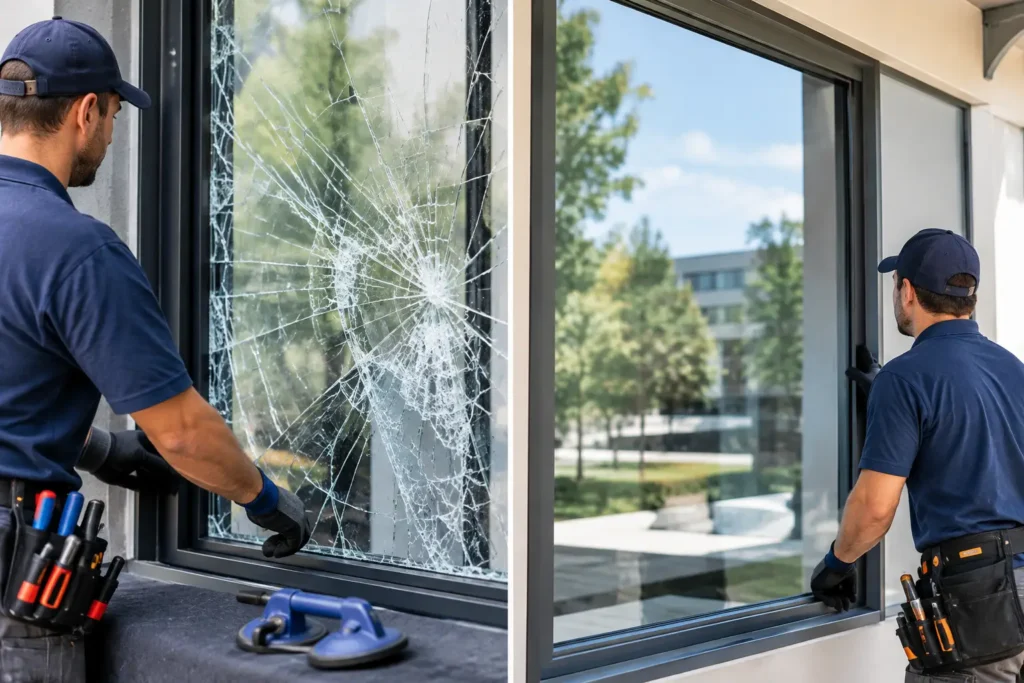
Window locks cannot compensate for damaged glass. A crack near the edge of a pane can spread as temperatures change, and broken insulated glass can leave a home exposed even if the latch still functions. In older or damaged windows, replacing the glass alone may be appropriate when the sash and frame remain sound. In other cases, repairing the hardware and glass together produces a safer, longer-lasting result.
This is where specialized glazing service matters. The technician should identify whether the issue is isolated hardware, failed glass, a broken seal, frame damage, or a combination of problems. A precise repair avoids the frustration of installing a new lock on a window that is still out of square.
Quick Glass Repairs provides prompt residential and commercial glass service across the DMV, including urgent help when a damaged window leaves a property unsecured. Licensed and insured workmanship, clear updates, and appropriate replacement materials matter when the goal is not simply to close an opening, but to restore safe, dependable use.
Make Security a Routine Check, Not a Surprise
Test accessible window locks a few times each year, especially before periods of heavy rain, strong winds, travel, or a property turnover. Check that every window closes fully, locks without force, and does not show new cracks, moisture between panes, or frame movement. For ground-level windows, basement windows, and vacant units, make the check part of normal property maintenance.
A window should close smoothly, lock firmly, and give you confidence when you leave the room. If it does not, address the cause before a small hardware problem becomes broken glass, water intrusion, or an avoidable security risk.