
A window that chatters when a truck passes, the heat turns on, or the wind picks up is more than an everyday annoyance. The movement can signal worn weatherstripping, a loose sash, failing hardware, or an improperly secured glass unit. Fix rattling windows early, and you can often stop drafts, reduce noise, and avoid a small adjustment turning into a larger window repair.
For homes, condos, apartments, and commercial properties around the DC, Virginia, and Maryland area, this matters most when weather swings are severe. Cold air, summer humidity, and repeated expansion and contraction can expose weak seals and loose components quickly. The right repair depends on where the sound is coming from – and whether the window is still secure in its frame.
Find the Source of the Rattle First
Do not start tightening screws at random. A rattle can come from several places, and each calls for a different fix. Stand near the window on a windy day, or gently press one section at a time while another person lightly moves the sash. Listen for the sound to change.
If the noise stops when you press on the moving portion of the window, the sash may not be fitting tightly against the frame. If it stops when you press on the glass itself, the glazing, stops, or insulated glass unit may be loose. A noise near the lock, crank, or track points more toward worn hardware or a sash that has shifted out of alignment.
Also check whether the window is hard to open, will not stay open, or has visible gaps at the edges. Those clues matter. A simple rattle caused by aging weatherstripping is usually a manageable maintenance issue. A rattling window paired with cracked glass, fogging between panes, water intrusion, or a damaged frame deserves professional attention.
How to Fix Rattling Windows Safely
Start with the least invasive solution. Close and lock the window firmly, then test it again. A lock that does not pull the sash snugly against the weatherstripping may be loose, misaligned, or worn. On many double-hung and sliding windows, carefully tightening accessible lock screws can restore a better seal. Do not overtighten. Stripped screws and warped hardware create another problem.
Next, clean the tracks and sill. Dust, paint buildup, leaves, and small debris can keep a sliding sash from seating properly. Use a vacuum with a narrow attachment, followed by a damp cloth, and let the area dry fully. If the window slides on rollers, inspect them for obvious wear or flat spots. Rollers that drag, wobble, or fail to hold the sash square often need replacement rather than lubrication alone.
Weatherstripping is another frequent cause. Foam, vinyl, pile, and rubber seals gradually flatten, tear, or pull away from their mounting surface. With the window closed, look for daylight around the perimeter or feel for a draft with the back of your hand. Replace damaged weatherstripping with a type made for your window style and position it so the sash compresses it slightly when locked. Too thick, and the window may not close correctly. Too thin, and the rattle and air leak will remain.
For minor movement in a wood window, a thin strip of appropriate weatherstripping may quiet the sash. Avoid stuffing paper, cardboard, or random shims into the frame. Those temporary fixes trap moisture, interfere with drainage, and can make a window harder to operate in an emergency.
Check the Stops, Trim, and Glazing
A rattle that seems to come directly from the pane needs a closer look. Window stops are narrow pieces that hold glass or a sash in place. On some older windows, they can loosen as fasteners back out or wood contracts. Interior trim can also vibrate and sound like loose glass when wind pressure changes.
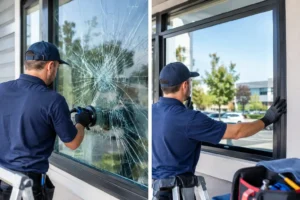
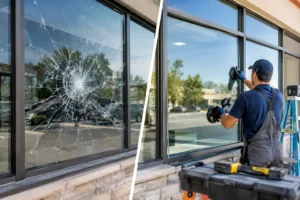
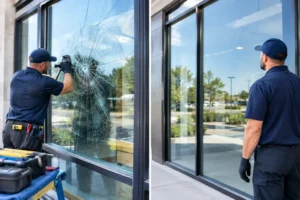
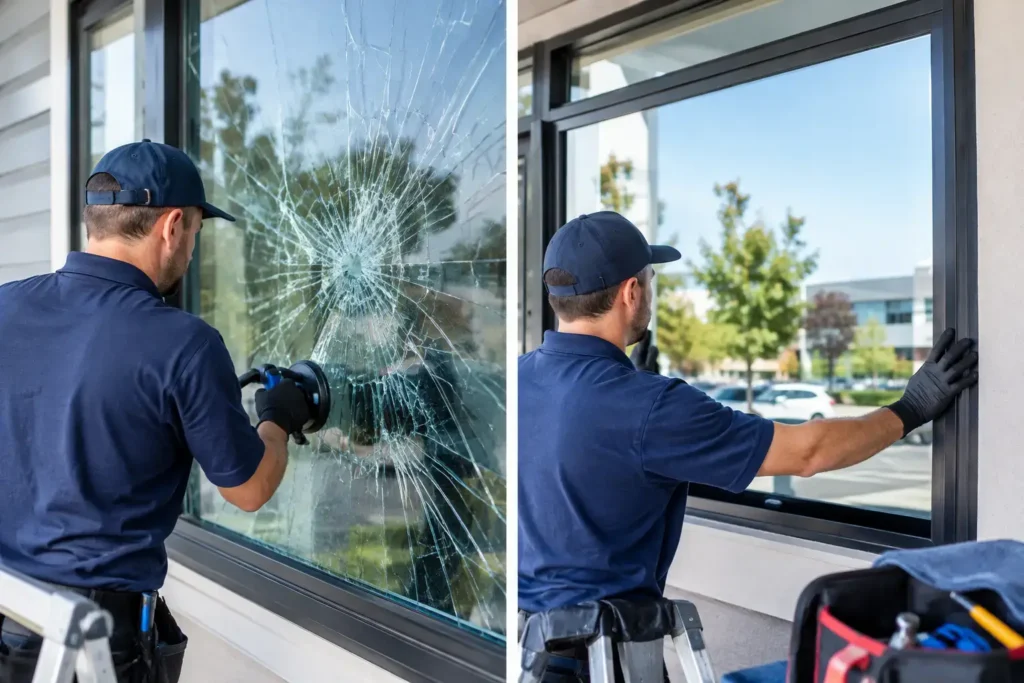
Look for missing fasteners, visibly separated trim, cracked glazing compound, or a pane that moves when gently pressed. Never force the glass or use a hard tool against its edge. Glass can break suddenly, especially if it is already chipped or stressed.
If a stop or trim piece is plainly loose and the glass is intact, a qualified repair may involve resetting and fastening that component. But if the glass shifts in the opening, the glazing compound has failed extensively, or an insulated double-pane unit moves within the frame, stop there. The window may no longer provide reliable weather protection or security.
Adjust the Sash Only When the Problem Is Clear
Casement and awning windows can rattle when their hinges, operators, or keepers wear down. Check for loose screws around the crank mechanism and lock points. If the sash is sagging, the hardware may need adjustment or replacement to bring it back into proper contact with the frame.
Double-hung windows can develop rattles from worn balances, loose tilt latches, or a sash that no longer sits evenly in the jamb. Modern vinyl windows may have adjustment points, but the correct setting varies by manufacturer. Turning an adjustment screw without knowing what it controls can make the window bind or create a larger gap.
The practical rule is simple: tighten a clearly loose, accessible screw if the surrounding material is sound. For alignment issues, broken balances, bent tracks, or hardware that no longer holds the sash securely, arrange a window repair instead of forcing the mechanism.
When a Rattle Signals a Bigger Window Problem
A rattling sound sometimes reflects a window that is nearing the end of its service life. This is especially true when it appears alongside condensation between panes, persistent drafts, water stains, decayed wood, or a frame that has pulled away from the wall opening.
Fogging between panes means the seal on an insulated glass unit has failed. The glass may not rattle because it is loose, but seal failure can reduce insulation and make temperature changes more noticeable. In many cases, the glass unit can be replaced without replacing the entire window, depending on the frame condition and product design.
Water is another reason not to wait. A rattling sash that leaves a gap during wind-driven rain can allow moisture behind trim and into wall materials. That can damage finishes and encourage rot or mold. For a storefront, office, or multifamily property, loose glass or a poorly secured window can also create a safety concern and disrupt daily operations.
Call for prompt service if you see cracked glass, feel strong air movement around a closed window, find water entering indoors, or notice that a sash can be moved significantly while locked. If a break occurs, keep people away from the area, do not touch loose shards, and secure the space until a glass professional can assess it.
Why Professional Repair Can Be the Faster Option
DIY maintenance is useful for cleaning tracks, replacing simple weatherstripping, and tightening an obvious loose screw. It is not always the cost-saving choice when the problem involves glass, failed seals, distorted frames, or proprietary window hardware. An incorrect repair can break a pane, defeat drainage paths, void a product warranty, or leave the window less secure than before.
A glazing specialist can identify whether the noise comes from the sash, the insulated glass unit, the glazing system, or the frame itself. That distinction helps avoid replacing a complete window when a targeted repair or replacement glass unit is the better answer. It also matters when matching glass thickness, safety glass requirements, hardware, and finish details.
Quick Glass Repairs provides licensed and insured window repair for homeowners, property managers, and businesses across the DMV, with clear estimates and responsive scheduling. When a window is damaged, loose, or exposed to the weather, fast action protects the property while a precise repair restores its function.
Keep the Rattle From Returning
Once the repair is complete, make window checks part of seasonal property maintenance. Clean tracks before heavy heating or cooling seasons, test locks, inspect weatherstripping, and address small gaps before they become draft and moisture problems. Avoid slamming sashes or forcing windows that are sticking, since both can knock hardware out of alignment.
Most rattles are fixable, but the safest response is based on the cause. Quiet a clean, well-fitting window with basic maintenance. Treat loose glass, water intrusion, failed seals, and damaged hardware as a repair call worth making before the next storm tests the weak spot.