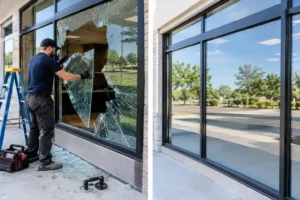

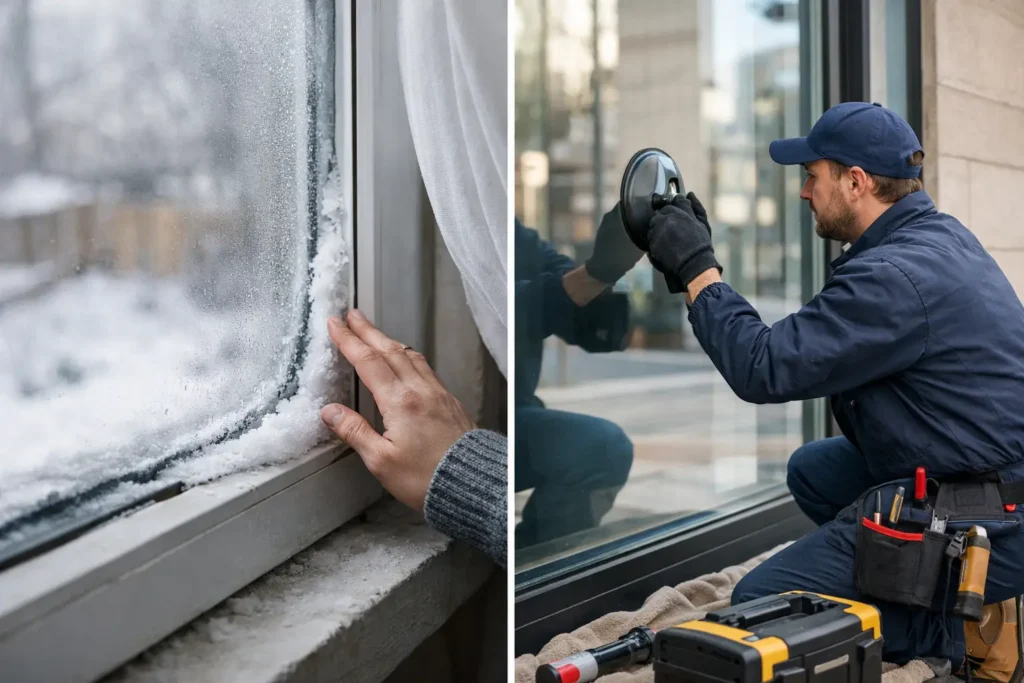
A cold strip of air around a living-room window is more than an annoyance. It can make one room hard to use, raise heating and cooling costs, and signal that a window, seal, or frame needs attention. To prevent window drafts effectively, start by finding where the air is entering instead of covering up the symptom.
In DC, Virginia, and Maryland, windows face humid summers, sharp winter temperature swings, wind-driven rain, and years of normal expansion and contraction. A small failed seal or loose sash can become much more noticeable when the weather turns. The right repair depends on the source of the draft, the age and condition of the window, and whether the problem is isolated or repeated throughout the property.
Find the Draft Before You Fix It
Not every cold window is leaking air. Glass naturally feels colder than an insulated wall in winter, especially on older single-pane windows. That is a comfort issue, but it is different from an actual air leak. Before buying materials or scheduling a repair, check for movement of air around the window.
On a windy day, slowly move your hand around the edges of the sash, the meeting rail where two sashes overlap, the lock area, and the trim. You may feel a temperature change or a faint stream of air. A tissue held near the suspected area can also show movement. Avoid open flames, which are unnecessary around curtains, dust, and household materials.
Look for visible clues as well. Damaged, flattened, or missing weatherstripping is a common cause. Gaps in exterior caulk, loose interior trim, cracked glazing, warped sashes, and windows that no longer lock tightly can all let outside air in. If you see fog or moisture between double-pane glass, the insulated glass unit has likely lost its seal. That does not always create a direct draft, but it reduces insulation performance and often points to a window that needs professional evaluation.
Check the Window Operation
A window should close fully and lock without excessive force. If you have to push hard on the sash to engage the lock, the window may be out of alignment, swollen from moisture exposure, or affected by worn hardware. If it rattles when closed, the weather seal may no longer be making full contact.
For sliding windows and doors, inspect the track for dirt, damaged rollers, or a sash that sits unevenly. Cleaning the track may help the panel close correctly, but a worn roller, bent frame, or damaged seal requires more than a quick cleaning.
Start With Safe, Practical Draft Fixes
Some steps can reduce discomfort right away, especially while you arrange a lasting repair. They work best when the window itself is intact and the gap is small.
Clean debris from the sill and track, then make sure the window is fully closed and locked. A locked sash presses the weatherstripping together, which can significantly reduce air movement. Replace loose or compressed weatherstripping with a type designed for your window style. Adhesive-backed foam can be useful for a short-term, low-cost fix, but it may wear quickly in high-use windows and can interfere with closing if it is too thick.
Interior window film can reduce heat loss during cold months. It is a seasonal measure, not a repair for damaged frames, broken glass, or failed insulated glass. Heavy curtains can improve comfort at night, but they do not stop air infiltration and should not block supply vents or create condensation problems against the glass.
Exterior-grade caulk can seal stationary gaps between the window frame and surrounding siding, brick, or trim. The key word is stationary. Do not caulk the sash, tracks, drainage channels, or weep holes. Those components need to move or drain water. Blocking them can trap moisture, damage the frame, and create a larger repair later.
When Weatherstripping Is Not Enough
A draft that returns after new weatherstripping is a sign to look deeper. The window may have a failed sash seal, a loose frame connection, deteriorated glazing, or a gap behind interior or exterior trim. In those cases, surface materials can mask the issue without solving it.
Older wood windows may develop rot around the sill or frame, allowing air and water to reach areas that should be protected. Vinyl windows can warp, crack, or lose their corner weld integrity. Aluminum frames can transfer outdoor temperatures quickly and may need improved seals or replacement components. Each material has different repair options, which is why a careful inspection matters.
A fogged double-pane window deserves attention even when it is not visibly drafty. Once the seal around an insulated glass unit fails, moisture enters between the panes and the insulating gas can escape. Depending on the frame condition, replacing the insulated glass unit can restore clarity and performance without replacing the entire window. If the frame is damaged, poorly installed, or repeatedly leaking, full window replacement may be the smarter long-term investment.
Prevent Window Drafts Effectively With Proper Repairs
The most reliable way to prevent window drafts effectively is to restore the full barrier system: glass, sash, weatherstripping, frame, glazing, and surrounding sealant. Treating only one piece works when that piece is the real problem. It falls short when air is traveling through several weak points.
A professional glazing assessment can identify whether the issue is a replaceable seal, damaged glass, failed insulated unit, misaligned sash, compromised frame, or installation gap. This distinction protects you from paying for a full replacement when a targeted repair will do the job. It also prevents the opposite mistake: repeatedly patching a window whose structure or glass system has reached the end of its useful life.
Quick Glass Repairs handles window glass, failed seals, damaged components, and related door and glass issues with clear recommendations and precise installation. For a broken pane, a window that will not close securely, or a sudden opening exposed to weather, do not wait for the next cold front. Broken or unsecured glass is a safety and security issue as well as an energy issue.
Choose Repair or Replacement Based on the Whole Window
Repair is often the practical choice when the frame is sound, the glass damage is isolated, and replacement parts are available. Replacing a fogged insulated unit, renewing weather seals, or correcting a minor alignment issue can improve comfort without the expense and disruption of a full window project.
Replacement makes more sense when there is extensive rot, major frame distortion, recurring water intrusion, obsolete components, or several failed units in the same aging window system. It can also be worthwhile when you are already planning exterior renovations or need a consistent upgrade across a multifamily or commercial property.
For property managers and business owners, repeated drafts around storefront glass, office windows, or entry systems should not be treated as a tenant comfort complaint alone. Air leaks can bring in moisture, increase HVAC demand, create condensation, and make an otherwise well-maintained space feel neglected. Scheduling repairs before peak heating or cooling seasons helps avoid urgent disruptions later.
Avoid the Fixes That Create Bigger Problems
Expanding spray foam, heavy caulk, and makeshift tape can be tempting when air is coming in fast. Used carelessly, they can prevent a window from operating, block drainage, damage finishes, or conceal moisture damage. A window that does not open when needed can also create an emergency egress concern in bedrooms and other required exit areas.
Be cautious with very thick weatherstripping as well. If it makes the window difficult to close, the sash may sit crookedly and create a new gap elsewhere. Condensation is another warning sign. Sealing air leaks can improve comfort, but heavy interior condensation may indicate high indoor humidity, poor ventilation, cold glass, or a failed insulated unit. Wiping the glass does not correct the underlying cause.
A draft-free home should still allow windows and doors to operate properly, drain water correctly, and provide safe exits. That balance is what separates a durable repair from a temporary patch.
If one window feels cold, inspect it now before the problem spreads into stained trim, moisture damage, or an emergency opening during bad weather. A prompt, accurate repair can make the room comfortable again and give you confidence that the glass protecting your property is doing its job.