
That cloudy haze between your window panes is not surface dirt, and it will not wipe away. It is usually a failed insulated-glass seal. Broken window seal repair protects more than your view: it helps restore comfort, curb appeal, and the insulating performance your home or building needs.
For homeowners and property managers in the DMV, a fogged window can feel like a minor nuisance at first. But failed seals can allow moisture to build up between panes, leave windows looking permanently dirty, and signal that the insulated glass unit is no longer doing its job. The right repair depends on the window, the condition of the frame, and whether the glass is cracked, but waiting rarely improves the outcome.
What a Broken Window Seal Actually Means
Most modern residential windows use insulated glass units, often called double-pane or triple-pane glass. These units have two or three panes separated by a sealed spacer. The space between the panes is filled with dry air or insulating gas, and the perimeter seal keeps moisture out.
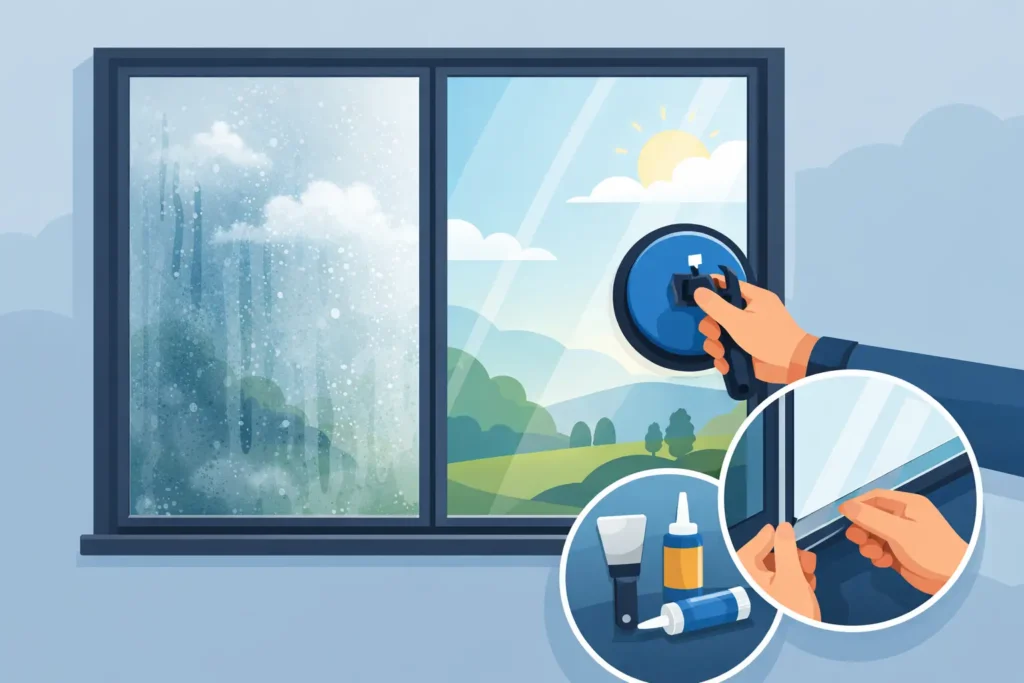
When that seal fails, humid outdoor air can enter the space between the panes. Condensation, fogging, streaks, or a milky appearance may appear inside the unit. Because the problem is trapped between layers of glass, standard cleaning will not fix it.
A broken seal does not always mean the entire window must be replaced. If the frame, sash, hardware, and surrounding structure are in good shape, replacing the insulated glass unit is often the practical solution. This preserves the existing window while restoring a clear view and proper glazing performance.
Signs You Need Broken Window Seal Repair
Fogging between panes is the most recognizable warning sign, but it is not the only one. You may notice moisture droplets that appear inside the glass unit, a white or hazy film that remains no matter how often you clean the window, or distorted views through the glass.
Some failed seals are easier to spot on cold mornings, rainy days, or during high humidity. Condensation can become more visible when temperatures change quickly. In the DC, Virginia, and Maryland area, seasonal humidity and temperature swings can make a weak seal show itself fast.
You may also feel a cold draft near the window or notice that a room becomes harder to heat or cool. A draft can come from worn weatherstripping, poor installation, or frame issues as well, so it takes a professional inspection to separate a seal failure from another window problem.
Why You Should Not Ignore Fogged Glass
A failed seal is usually not a same-day security emergency in the way shattered glass is. Still, it deserves prompt attention. The insulation inside the glass unit has been compromised, which can reduce energy efficiency and make rooms less comfortable near the window.
The appearance matters, too. Fogged glass can make a well-maintained home look neglected, reduce natural light, and affect the presentation of a rental unit, office, retail space, or multifamily property. For property managers, leaving multiple fogged windows unresolved can create avoidable tenant complaints and make turnovers harder.
There is also a practical risk in delaying the evaluation. What starts as a seal failure may coexist with damaged glazing, failed caulk, deteriorated wood, loose hardware, or water intrusion around the window. Finding the source early gives you more repair options and helps prevent a smaller glass issue from becoming a larger window project.
Can a Failed Window Seal Be Repaired?
There are companies that offer defogging services, which may involve drilling into the glass, removing moisture, and attempting to restore visibility. That approach can be less expensive upfront, but it does not always restore the original insulating performance or provide a lasting answer to a failed perimeter seal. Results vary by window condition and method.
For many double-pane windows, replacing the sealed insulated glass unit is the more dependable repair. The old fogged unit is carefully removed and a new, correctly sized unit is installed within the existing sash or frame. This addresses the failed seal rather than simply treating the visible moisture.
Full window replacement may make sense when the frame is rotted, warped, severely leaking, difficult to operate, or nearing the end of its useful life. It can also be the better investment if you are upgrading several old windows for better efficiency or appearance. But replacing an entire window solely because one insulated unit has failed is not always necessary.
Glass-Only Replacement vs. Full Window Replacement
The decision comes down to condition, not guesswork. Glass-only replacement is often a strong fit when the window frame is structurally sound, the sash opens and locks properly, and the failed seal is isolated to the glass unit. It is typically less disruptive than replacing the complete window assembly.
A full replacement is more involved, but it can solve deeper issues with frames, water management, hardware, or outdated window construction. A qualified glazing professional should measure the unit, inspect the frame and sash, explain what is causing the problem, and give you a clear recommendation before work begins.
What to Expect During the Repair Process
A professional broken window seal repair starts with an inspection and precise measurements. Insulated glass units are not one-size-fits-all. The replacement must match the opening, thickness, spacer configuration, glass type, and other requirements of the existing window system.
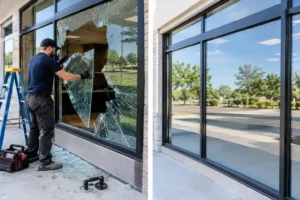
After the glass is selected or fabricated, technicians remove the failed unit without damaging the sash or frame. They install the replacement glass using the proper glazing materials, secure it correctly, and check the window for fit and operation. The work area should be kept clean, and you should know what is being installed and when the job will be complete.
Timing depends on the type and size of glass. Common clear insulated units may be available quickly, while specialty glass, unusual dimensions, grids, tints, tempered safety glass, or custom configurations can require ordering. If the glass is cracked or the opening is exposed, temporary protection and fast stabilization become the priority.
When Fogged Windows Become an Urgent Issue
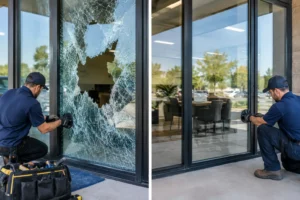
A fogged unit alone is generally a scheduled repair. Call promptly for urgent help, however, if the glass is cracked, broken, loose, leaking water into the property, or creating an insecure opening. Commercial storefronts, entry doors, and ground-level windows need especially quick attention when damage affects safety or security.
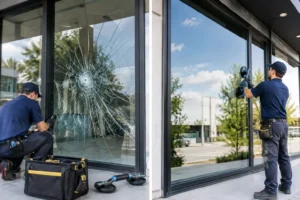
Do not tape over cracked insulated glass and assume it is safe. Keep children, pets, tenants, and customers away from sharp or unstable glass. If possible, secure the area without touching broken edges, then arrange professional service. Quick Glass Repairs provides responsive glass service across the DMV, including emergency support when broken glass cannot wait.
How to Protect New Insulated Glass
A new sealed unit is built to withstand normal weather, but care still matters. Avoid striking glass with lawn equipment, hard objects, or aggressive pressure washing. Keep drainage paths around windows clear, and address failing exterior caulk or damaged frames before water has a chance to reach the window system.
If you see early fogging, take a photo and note when it appears. Documentation can help identify whether the issue is inside the glass unit or simply condensation on an interior surface. It also makes it easier to discuss warranty coverage if the unit was installed recently.
Clear, insulated windows make a noticeable difference in how a room feels and how a property looks. If your glass is fogged between the panes, schedule an inspection before the problem becomes another item on a growing maintenance list.