
That cloudy haze trapped between your window panes is not dirt you can wipe away. It usually means the insulated glass unit has lost its seal, allowing humid air into the space designed to keep your home comfortable. Foggy double pane glass replacement restores the clear view, insulation, and finished appearance your windows were built to provide.
A fogged window may not feel like an emergency in the same way as shattered glass, but waiting can still cost you. Failed seals can reduce energy performance, make rooms look neglected, and allow the problem to worsen as temperatures and humidity change across the DC, Virginia, and Maryland area. The right repair starts with determining whether you need new glass only or a more complete window solution.
Why Double Pane Windows Turn Foggy
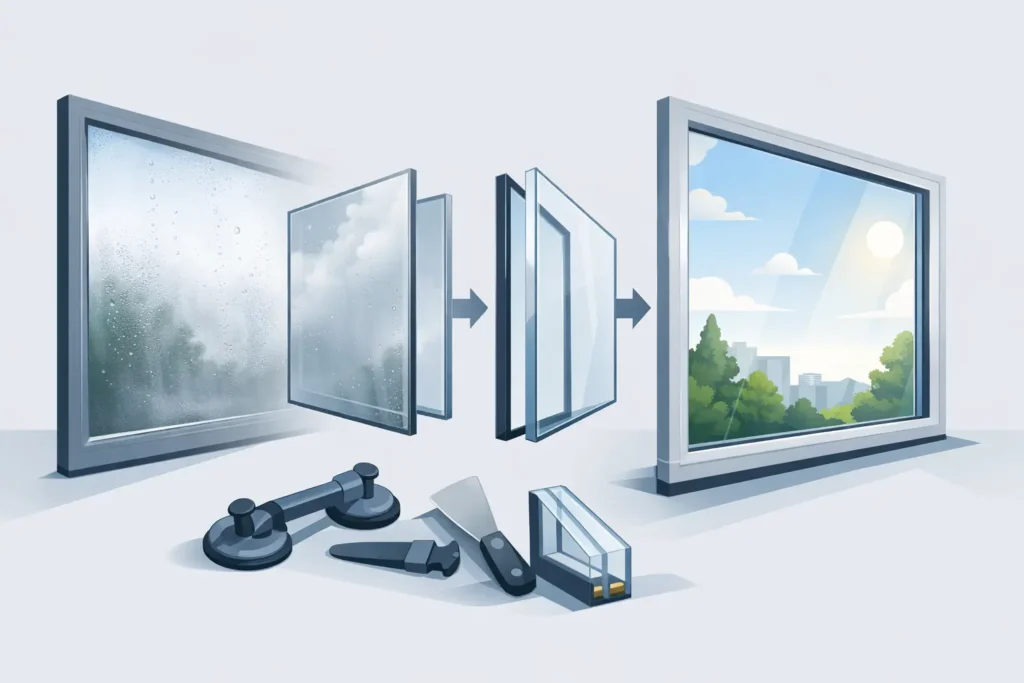
Most modern double pane windows use an insulated glass unit, often called an IGU. It consists of two panes of glass separated by a sealed spacer. The space between the panes may contain dry air or insulating gas, while a perimeter seal keeps moisture out.
When that perimeter seal fails, outside air enters the unit. Condensation can form inside the panes, leaving behind fog, streaks, or a milky film. Because the moisture is trapped inside the glass assembly, household cleaners, dehumidifiers, and wiping the interior or exterior glass will not fix it.
Seal failure can happen after years of normal expansion and contraction, especially on windows exposed to strong sun, winter cold, or repeated storms. Age is a common cause, but impact damage, poor original installation, failed drainage around the window, and deteriorated frames can also contribute. A window does not have to be visibly cracked to have a failed seal.
When Foggy Double Pane Glass Replacement Is the Right Fix
In many cases, you do not need to replace the entire window. If the frame, sash, hardware, and surrounding wall are in good condition, a glazing professional can remove the failed insulated unit and install a new custom-sized double pane glass unit in the existing sash. This approach preserves a sound window while addressing the failed component.
Glass-only replacement is often a practical choice for vinyl, aluminum, fiberglass, and many wood windows. It can be less disruptive than full window replacement and may help maintain a consistent look across a condo, townhome, office, or apartment building. For property managers, replacing the insulated unit can also reduce downtime for residents without turning a clear repair need into a larger renovation project.
However, replacement glass is not always the whole answer. If the frame is rotted, warped, badly corroded, leaking around the opening, or difficult to operate, a new insulated unit will not correct those underlying issues. The same is true when a window has obsolete parts, widespread damage, or multiple symptoms of failure. An on-site assessment should separate a failed seal from a broader window problem before work begins.
What a Professional Replacement Process Looks Like
Accurate measurement is the difference between a clean, weather-resistant repair and a frustrating repeat visit. A technician first checks the condition of the existing window, identifies the glass configuration, and measures the insulated glass unit precisely. Details such as glass thickness, spacer color, grids between the panes, tempered safety glass, low-emissivity coatings, and obscure glass can all affect the replacement.
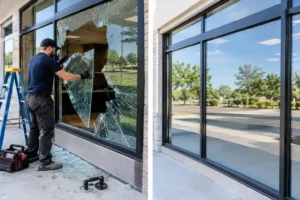
The new unit is then ordered or fabricated to match the opening. Once it is ready, the failed glass is carefully removed, the sash is cleaned and inspected, and the new insulated unit is set with the proper glazing materials and seals. The goal is not simply to make the window look clear on installation day. It is to create a secure, stable fit that supports long-term performance.
Timing depends on the window type and the glass specification. Standard units may move quickly, while custom shapes, specialty coatings, decorative grids, or unusually large panels can require additional lead time. A responsive glass contractor should explain what is being ordered, when it is expected, and whether temporary protection is needed in the meantime.
Why Waiting Can Make a Small Window Problem More Expensive
Fog inside a double pane unit is often gradual, which makes it easy to postpone. Yet the window has already lost part of its insulating design. In a DMV summer, that can mean more solar heat and humidity reaching the glass system. In winter, it can contribute to cold spots near the window and less comfortable rooms.
There is also the appearance factor. Fogged glass can make an otherwise well-kept home look tired, especially on front-facing windows, patio doors, and large living room panels. For a rental property or commercial space, cloudy windows can affect curb appeal and the impression visitors, prospective tenants, or customers have of the property.
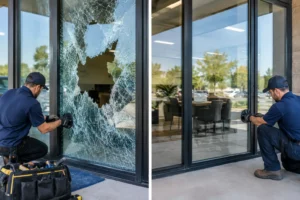
If you see active water around the frame, soft wood, peeling paint, cracked glass, loose glazing, or a window that will not lock, move faster. Those signs go beyond a cosmetic seal failure and may involve weather exposure or security concerns. Broken glass, damaged doors, and unsafe openings should be secured promptly rather than left exposed overnight.
Choosing Replacement Glass That Fits Your Home
A new insulated unit is an opportunity to match both the function and look of the original glass. Clear glass is common, but it is not the only option. Low-E glass can help manage heat transfer and ultraviolet exposure, while tempered glass may be required near doors, floors, tubs, showers, or other safety-sensitive locations. Laminated glass can be worth considering where added security or noise control is a priority.
The best choice depends on where the window sits and what you need from it. A sunny west-facing room may benefit from a different coating than a shaded bedroom. A street-level commercial window has different concerns than a second-floor residential casement window. The objective is not to add features you do not need. It is to install glass that meets the location’s safety requirements and performs appropriately in your space.
If one insulated unit has failed, nearby units of the same age may be worth checking. That does not mean every window needs replacement. It does mean you can plan intelligently, especially if several windows show early haze, moisture beads, or a visible white film around the spacer area.
Can You Repair a Failed Window Seal Without Replacing Glass?
Some services claim they can defog windows by drilling into the glass, venting moisture, and applying a treatment. This may improve visibility temporarily, but it does not recreate the factory-style sealed insulated space or restore the original gas fill. Results vary, and the window can fog again.
For owners who want a dependable, finished repair, replacing the failed insulated glass unit is generally the stronger option. It addresses the component that has failed instead of masking its symptom. A professional can also verify whether the window has a manufacturer warranty that may apply to seal failure.
Get Clear Answers Before the Problem Spreads
Take a few photos of the fogged window from inside and outside, then note whether the haze changes with the weather or stays trapped between the panes. That information helps distinguish seal failure from ordinary surface condensation. If the glass is cracked or the opening feels unsafe, keep people away from the area and arrange service right away.
Quick Glass Repairs provides clear estimates, precise insulated glass replacement, and responsive service for homeowners, property managers, and businesses across the DMV. A fogged window does not have to become a full-window project when the frame is still sound. Have the glass assessed, get the right repair plan, and bring back the clear view your property deserves.