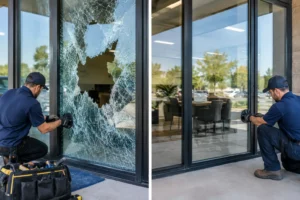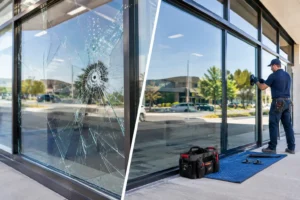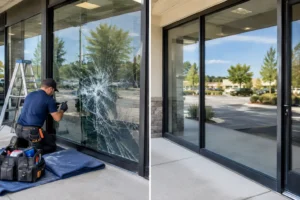

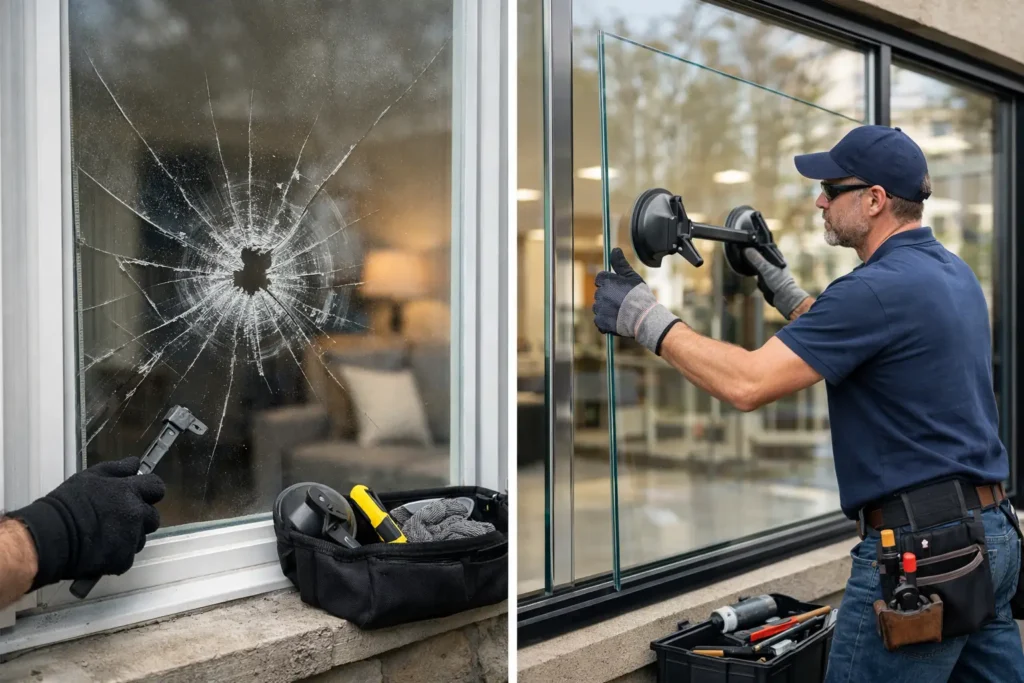
A cracked pane beside a reachable lock is more than an eyesore. It can give an intruder an easier point of entry, let rain into the wall system, and leave everyone inside feeling exposed. Effective window security starts with sound glass and frames, but it also depends on how quickly you respond when something is damaged.
For homeowners, landlords, and business operators, the goal is not to turn every window into a fortress. It is to identify weak points, make practical upgrades, and treat broken glass as an urgent repair instead of a task for next week.
Window Security Begins With Intact Glass
Glass does not have to shatter completely to create a security concern. A crack can spread under temperature changes, vibration, or pressure. A loose pane may be easier to dislodge. Fogging between double-pane glass usually signals a failed seal, which affects insulation more than security at first, but it is also a reason to inspect the entire window assembly for aging parts and moisture damage.
A broken window needs prompt attention for several reasons. It creates a direct access point, exposes interiors to wind and rain, and can leave sharp fragments around children, pets, customers, or staff. For a storefront, office, or multifamily property, visible damage also sends the wrong message about how the property is maintained.
If a window is broken after a break-in, storm, accident, or vandalism, protect people first. Keep the area clear, avoid handling loose shards, and document the damage if your insurer or property manager requires it. Temporary boarding can secure the opening while the correct glass is measured and ordered. It is a temporary safeguard, not a finished repair.
Look Beyond the Pane
Strong window security is a system. New glass alone cannot compensate for a damaged sash, an unsecured lock, or a frame that no longer closes squarely. During a repair or replacement, check how the full assembly performs.
Start with the lock. It should engage fully without forcing the window into position. If a double-hung window will not close tightly, the lock may only appear secure. Sliding windows should have working latches and should not lift easily out of their tracks. Casement windows need handles, operators, and locking points that close firmly against the frame.
Then inspect the frame, tracks, and surrounding trim. Wood rot, corrosion, loose fasteners, and warped frames can create gaps or allow the sash to move more than it should. These conditions may also invite water intrusion, which can turn a manageable glass repair into a larger exterior repair.
For ground-level windows, basement windows, rear-facing openings, and windows near concealed areas of the property, add layers that fit the risk. Exterior lighting, trimmed landscaping, working alarm contacts, and visible occupancy all help deter opportunistic entry. The right combination depends on the property layout. A second-floor bedroom window does not face the same risks as a retail storefront on a busy street.
Choose Glass for the Real Risk
Not every window needs the same type of glass. The right choice depends on location, building use, code requirements, budget, and the type of threat you are trying to reduce.
Tempered glass is designed to break into small pieces rather than sharp shards. It is commonly used where safety glazing is required, such as near doors or in certain low-level locations. That makes it safer around people, but it does not necessarily delay forced entry as much as other options.
Laminated glass has a durable interlayer between panes. When it breaks, the glass tends to remain held together by that layer. This can reduce dangerous fallout and may make an opening harder to penetrate quickly. It is often worth discussing for vulnerable residential windows, entry-adjacent glass, and commercial locations where forced-entry resistance is a larger concern.
Insulated glass units can also be built with different glass types. That means you may be able to improve security, comfort, and noise control during the same replacement project. The trade-off is cost and lead time. Specialized glass may not be available for same-day installation, although a professional can secure the opening right away and complete the permanent work as soon as the proper unit arrives.
Security film can be useful in some situations, particularly when paired with the right attachment system and professionally assessed for the opening. It is not a cure for loose frames, failing locks, or already-damaged glass. Treat it as an added layer, not a substitute for repairing the window correctly.
Common Weak Points That Need Fast Attention
Some window problems are easy to postpone because the window still appears to function. That decision can be costly when the condition worsens after dark, during a storm, or while a property is vacant. Call for professional evaluation when you see any of the following:
- Cracked, chipped, shattered, or missing glass
- A window that will not lock, close, or stay in its track
- Loose glazing, rattling panes, or a sash that shifts in the frame
- Rot, corrosion, or visible gaps around the frame and trim
- Failed seals that cause persistent fogging between panes
- Damage after attempted entry, vandalism, or severe weather
A small impact crack may be repairable only by replacing the affected pane or insulated unit. In other cases, the frame, sash, hardware, and glass need attention together. A clear assessment prevents spending money on a replacement pane that will still sit in a compromised opening.
Security for Rentals and Commercial Properties
Property managers and commercial decision-makers face a different version of the same problem: every unsecured opening can affect occupants, operations, and liability. A broken apartment window can leave a resident without a safe place to sleep. Damaged office or retail glass can interrupt business, expose inventory, and create a cleanup hazard before customers arrive.
The best response is organized and documented. Secure the opening, remove dangerous glass, measure accurately, communicate a realistic completion timeline, and keep tenants or site contacts updated. For recurring needs across a building, keep records of glass types, frame systems, and prior repairs. That information speeds up service when time matters.
For retail and street-level commercial glass, consider the balance between visibility and protection. Clear storefronts invite customers in, but they also need properly installed glass, secure door hardware, and fast emergency response when damage occurs. After an incident, do not assume replacing the visible broken pane resolves the whole issue. Check adjacent panels, door closers, locks, frames, and any impact damage to surrounding systems.
What to Expect From a Professional Glass Repair
A professional glazing visit should begin with more than a quick look at the break. The technician should identify the glass type, assess the frame and operating hardware, take precise measurements, and explain whether the immediate need is a temporary secure-up, a glass-only replacement, or a larger window repair.
Ask direct questions: Is the glass safety-rated where required? Can the existing sash support the replacement unit? Are locks and tracks operating correctly? What is the expected timeline for custom or insulated glass? Is the work covered by a warranty? Clear answers matter, especially when a damaged window affects a child’s room, an occupied rental, or a business entrance.
Quick Glass Repairs serves the DMV with 24/7 emergency response, same-day repair availability where possible, and licensed and insured glazing service. The focus is simple: secure the property quickly, install the right glass accurately, and keep you informed from estimate through completion.
A Safer Window Is a Maintained Window
The most effective security upgrade is often timely maintenance. Test accessible window locks periodically, clear debris from tracks, watch for moisture or movement around frames, and repair damage before it becomes an after-hours emergency. If glass breaks or a window no longer closes securely, do not wait for the next storm or the next vacant weekend. Get the opening secured, then get the repair finished right.