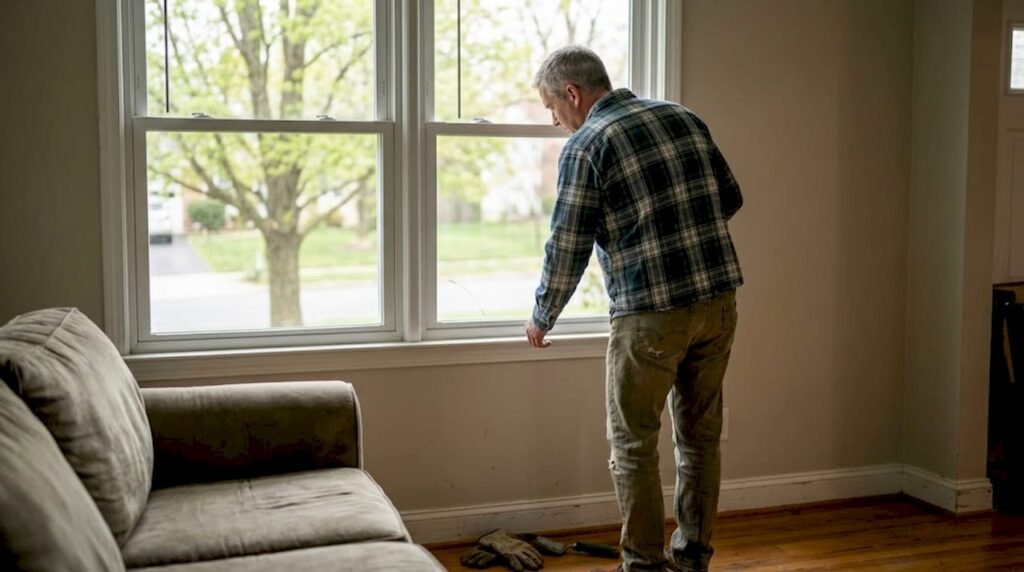
Windows in Maryland, Virginia, and Washington DC face a punishing combination of humid summers, cold winters, and sudden temperature swings that accelerate wear faster than in most other regions. Add to that a patchwork of local building codes, historic preservation rules, and HOA restrictions, and you have a repair environment that rewards careful planning. Whether you own a century-old rowhouse in DC or a modern office building in Northern Virginia, the decisions you make about window repair will affect your energy bills, your property value, and your legal standing. This guide walks you through every step, from diagnosing the problem to choosing materials and navigating permits.
Table of Contents
- How to assess if your window needs repair or replacement
- The most effective window repair techniques for the DMV climate
- Choosing the right window materials and energy-efficient options
- Permits, codes, and historic rules for window work in Maryland, Virginia, and DC
- A practical perspective: What the industry never tells DMV-area owners
- Next steps: Trusted window repair solutions for your property
- Frequently asked questions
Key Takeaways
| Point | Details |
|---|---|
| Assess your window’s real condition | Carefully check age, damage, and local climate factors before deciding to repair or replace. |
| Choose materials for DMV climate | Prioritize double-pane or Low-E glass for durability and energy efficiency in Maryland, Virginia, and DC. |
| Know local permit rules | Permits are often not needed for glass-only repairs, but always check local codes for structural changes, especially in historic districts. |
| Invest in professional repairs | Expert installation ensures long-term performance, energy savings, and full code compliance. |
How to assess if your window needs repair or replacement
The first question every homeowner or property manager asks is the same: fix it or replace it? The answer depends on several factors working together, not just the visible damage.
Start with age. A general rule in the industry is to repair if under 20 years old with a solid frame and a localized issue, and to replace if the window is 20-plus years old, shows rot, has multiple foggy panes, or if repair costs exceed 50% of replacement cost. That benchmark holds up well in the DMV, where humidity accelerates frame deterioration faster than in drier climates.
Frame condition is the second factor. Run your finger along the sill and corners. Soft wood, peeling paint that keeps returning, or visible mold are all signs that moisture has already compromised the structure. A cracked pane in a solid vinyl or aluminum frame is a very different problem than the same crack sitting in a rotted wood frame.
Here are the key decision factors to evaluate before calling anyone:
- Window age: Under 15 years, lean toward repair. Over 20 years, lean toward replacement.
- Frame condition: Solid frames support glass-only fixes. Rot or warping usually means full replacement.
- Scope of damage: One broken pane is repairable. Widespread seal failure across multiple units is not.
- Energy performance: Persistent drafts or condensation between panes signal seal failure that repair rarely fixes permanently.
- Cost ratio: If repair quotes exceed half the cost of a new unit, replacement is almost always the smarter investment.
For owners of historic or older homes, the calculus shifts slightly. Restoring original wood windows can preserve architectural character and may even be required in certain historic districts. In those cases, window repair and replacement decisions must account for preservation guidelines, not just performance.
“Repair if the frame is solid and the issue is localized. Replace when rot, fogging across multiple panes, or repair costs approach replacement cost.” This principle applies especially in the Mid-Atlantic, where seasonal humidity makes marginal frames fail faster.
Pro Tip: Schedule a visual inspection every spring before the humid season hits. Catching a small crack or failing caulk line early can save you from a full replacement two years down the road.
Also watch for signs for full replacement that go beyond the glass itself, including sticking sashes, visible gaps in the frame, and rising heating or cooling bills with no other explanation. Those are the signals that no repair will fix long-term.
The most effective window repair techniques for the DMV climate
Once you know whether to repair or replace, the next step is choosing the right technique. Not all repairs are equal, and the DMV’s climate makes some approaches far more durable than others.
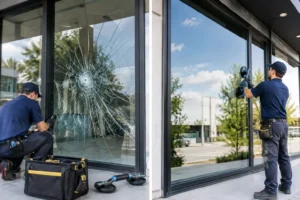
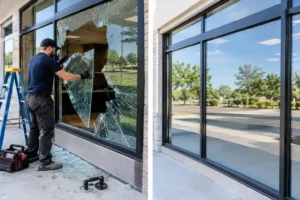
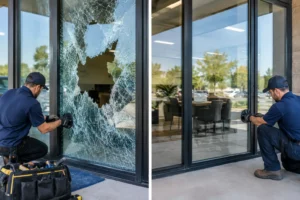
The most common and cost-effective repair is a glass-only swap, sometimes called an IGU (insulated glass unit) replacement. This works when the frame is structurally sound and the damage is limited to the glass itself. You keep the existing frame, remove the broken or fogged pane, and install a new unit. According to our own replace just glass guide, replacing just the IGU is the right call when the frame shows no rot, warping, or widespread seal failure, which is especially important in the humid Mid-Atlantic climate.
Here are the most effective repair techniques ranked by scope:
- Glass unit swap: Best for broken panes or fogged IGUs in solid frames. Fast, affordable, and minimally disruptive.
- Caulk and weatherstrip replacement: Addresses air and water infiltration at the frame perimeter. A common fix for drafty windows that are otherwise structurally sound.
- Sash repair or replacement: When the sash (the movable part holding the glass) is damaged but the frame is fine, replacing just the sash saves money over a full window replacement.
- Frame patching or epoxy fill: Used for minor wood rot on historic windows where full replacement is not permitted or desirable.
- Full unit replacement: The right call when rot, warping, or seal failure is widespread. Trying to patch around serious structural damage costs more in the long run.
For leak and seal repairs, always check the frame during the repair process. Water that enters through a failed seal often travels along the frame before showing up as an interior stain, meaning the visible damage and the actual source can be several inches apart.
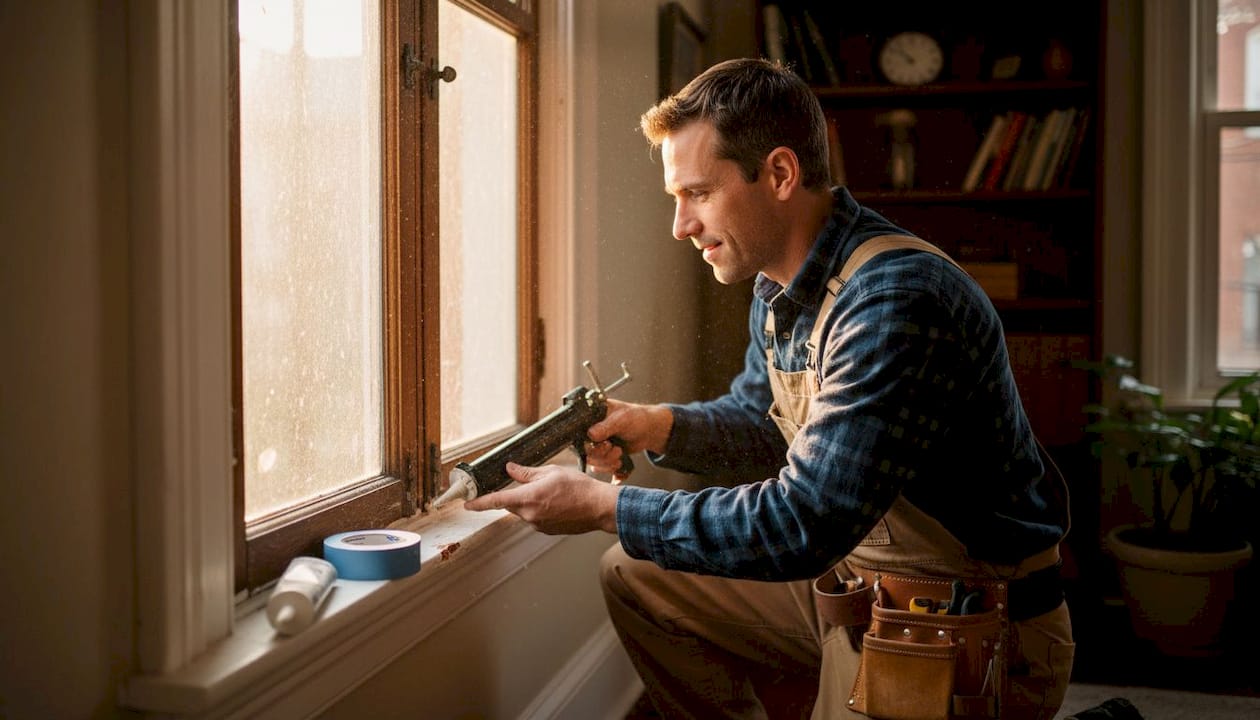
Pro Tip: If you are upgrading glass during a repair, consider Low-E (low-emissivity) coatings or double-pane units. In the DMV, where summer heat and winter cold both stress windows, the energy savings from a Low-E upgrade typically pay back the cost difference within three to five years.
Our expert repair insights consistently show that homeowners who invest in the right technique the first time spend significantly less over a ten-year window than those who patch repeatedly.
Choosing the right window materials and energy-efficient options
The glass type and frame material you choose during a repair or replacement will determine how long the solution lasts and how much it costs to heat and cool your space.
Here is a quick comparison of the most common glass options for DMV properties:
| Glass type | Best for | Energy performance | Relative cost |
|---|---|---|---|
| Single-pane | Historic restoration only | Poor | Low |
| Double-pane | Most residential and commercial | Good | Moderate |
| Triple-pane | High-performance homes, cold zones | Excellent | Higher |
| Low-E coated | All DMV climates | Very good | Moderate-high |
| Impact glass | Coastal or storm-prone areas | Good | High |
For most DMV homeowners, double or triple-pane Low-E glass hits the best balance of cost and performance. The Low-E coating reflects infrared heat, keeping interiors cooler in summer and warmer in winter without blocking natural light.
Frame material matters just as much as glass type. Here is a quick breakdown:
- Vinyl: Low maintenance, good insulation, affordable. The most popular choice in the DMV for standard residential work.
- Fiberglass: Stronger than vinyl, handles temperature swings well, longer lifespan. Higher upfront cost but excellent long-term value.
- Wood: Beautiful and required in many historic districts. Needs regular maintenance in humid climates. Can last decades with proper care.
- Aluminum: Durable and slim-profile. Common in commercial settings. Less thermally efficient without a thermal break.
For properties near the Chesapeake Bay or other coastal zones, impact-rated glass is worth checking against your insurance policy and local building code. Some insurers offer premium discounts for impact glass, which can offset the higher installation cost over time.
Permits, codes, and historic rules for window work in Maryland, Virginia, and DC
This is the part most property owners skip until it causes a problem. Permit requirements in the DMV vary by jurisdiction, by scope of work, and by whether your property sits in a historic district or HOA-governed community.
As a general rule, glass-only replacement requires no permit in most Maryland, Virginia, and DC jurisdictions. But the moment you change the window size, alter the rough opening, or touch structural elements, a permit is almost certainly required. Here is a quick reference:
| Scenario | Permit typically required? |
|---|---|
| Glass-only IGU swap, same size | No |
| Full window replacement, same size and location | Sometimes (check locally) |
| Changing window size or location | Yes |
| Work in a historic district | Yes, plus historic review |
| HOA-governed property | HOA approval required |
| Commercial property structural change | Yes |
For DMV window repairs in historic districts, the rules go beyond permits. In DC, the Historic Preservation Review Board often requires that replacement windows match the original in material, profile, and operation. In Maryland and Virginia, local historic commissions have similar authority. Ignoring these rules can result in forced removal and reinstallation at your expense.
Here are the steps to stay compliant:
- Identify your jurisdiction: DC, Maryland, and Virginia each have different code structures, and counties within each state can vary further.
- Check historic status: Search your property address on your local government’s historic district map before ordering materials.
- Contact the building department: A quick call or online lookup through your city or county project permit guidance resource can confirm whether a permit is needed.
- Keep all paperwork: Permits, inspection records, and contractor invoices protect you if you sell the property or face a code inquiry later.
Pro Tip: Never assume a contractor has pulled the necessary permits. Ask for the permit number before work begins, and verify it with your local building department. Unpermitted work can become your liability even if a contractor did the job.
A practical perspective: What the industry never tells DMV-area owners
Here is something we see repeatedly in this business: homeowners are often steered toward repairs when the honest answer is replacement. It is not always bad advice, but in the DMV’s humid climate, windows that are borderline candidates for repair tend to fail within two or three years anyway. You end up paying twice.
The other side of that coin is equally true. Some contractors push full replacements when a targeted repair would serve the homeowner just as well for another decade. The right answer is never automatic. It requires an honest look at the specific window, the specific damage, and the specific climate exposure of that wall.
For historic home owners, we understand the pull toward authenticity. But longevity matters too. A beautifully restored wood window that is not properly sealed against DMV humidity will need attention again within five years. Weigh that maintenance commitment honestly before choosing restoration over replacement.
The detail that costs people the most money is code compliance. We have seen jobs where real-life repair stories end with forced redo because a contractor skipped the permit step. That is an avoidable expense, and it falls on the property owner, not the contractor, in most cases. Always verify the paperwork yourself.
Finally, the biggest regret we hear from clients is not investing a little more upfront for energy-efficient glass. The difference between standard double-pane and Low-E double-pane is modest at installation. Over ten years of DMV summers and winters, it is not modest at all.
Next steps: Trusted window repair solutions for your property
If you have worked through this guide and you are ready to move forward, the next step is connecting with a team that knows the DMV inside and out.
At Quick Glass Repair, our technicians handle everything from a single broken pane to full commercial window systems, always with transparent pricing and a clear explanation of what your property actually needs. Whether you need glass repair services for your home, glass door repairs for your storefront, or commercial glass solutions for a larger property, we are ready to help. We know the permit landscape, the historic district rules, and the climate realities of Maryland, Virginia, and DC. Reach out today and let us take the guesswork out of your next window project.
Frequently asked questions
How do I know if I can repair just the glass instead of replacing the whole window?
If your frame is solid and the issue is limited to broken or fogged glass, a glass-only repair is likely the right call. A frame with rot or warping usually means the whole unit needs to go.
What are the best window types for Maryland, Virginia, and DC homes?
Double or triple-pane Low-E windows handle the DMV’s humidity and temperature swings better than any other option. Low-E coatings reduce heat transfer in both summer and winter, cutting energy costs year-round.
Do I need a permit for window repair or replacement?
Glass-only swaps typically do not require a permit, but structural changes or work in historic or HOA-governed areas almost always do. Always verify with your local building department before work starts.
Is repair ever better than replacement for older DMV windows?
Repair makes sense for windows under 20 years old with solid frames and minor damage. For older windows in the DMV’s humid climate, replacement is often wiser because marginal frames deteriorate faster than in drier regions.