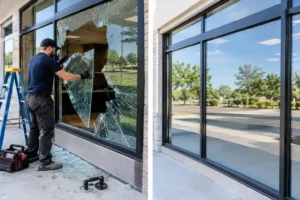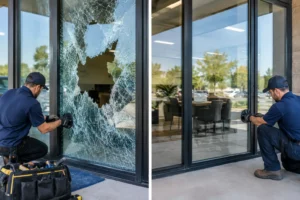

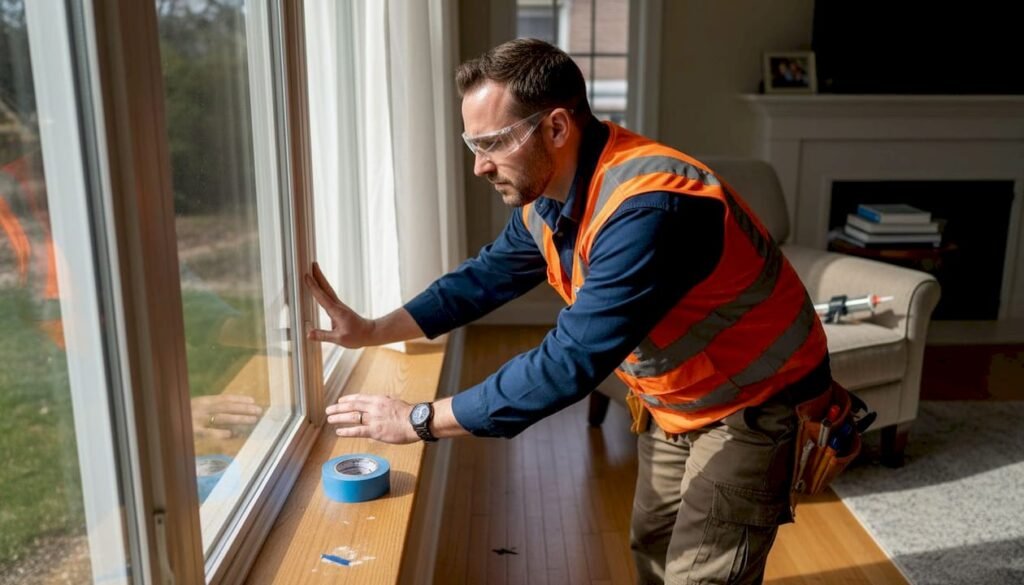
Most people assume that fixing a broken window is as straightforward as swapping out a pane of glass. It is not. Glass technicians, often called glaziers, bring a level of precision, safety knowledge, and technical skill that goes far beyond what any weekend DIY project can replicate. Glaziers cut, measure, install, repair, and replace glass across a wide range of residential and commercial structures. Whether you own a home in Northern Virginia or manage a storefront in Maryland, understanding what these professionals actually do will help you make smarter decisions when glass problems arise.
Table of Contents
- What glass technicians do: Essential duties and responsibilities
- The process behind glass repair and installation
- Why training and certifications matter for glass technicians
- Safety and specialized expertise: What most people miss
- Our perspective: Glass professionals ensure peace of mind
- Get expert glass solutions for your home or business
- Frequently asked questions
Key Takeaways
| Point | Details |
|---|---|
| Glass technicians’ expertise | Proper glass work requires specialized tools, experience, and safety awareness that go far beyond simple repairs. |
| Value of certification | Technicians with formal training and certifications deliver safer, more reliable results for both homes and businesses. |
| Safety first | Handling and installing glass comes with serious safety risks that only trained professionals should manage. |
| Local regulations matter | In Maryland and Virginia, checking for proper credentials ensures compliance and peace of mind. |
What glass technicians do: Essential duties and responsibilities
Glass technicians are the people standing between your property and the elements. Their work covers far more ground than most homeowners and business owners realize. On any given day, a glazier might be installing a frameless shower enclosure in a Bethesda home, boarding up a shattered storefront in Arlington after a break-in, or cutting a custom tabletop to exact specifications for a restaurant in Alexandria.
According to industry job descriptions, glaziers install and replace glass in residential and commercial structures including windows, doors, storefronts, shower enclosures, and tabletops. That breadth of work requires a toolkit that goes well beyond a glass cutter and some putty.
Here is a snapshot of what glass technicians handle on a regular basis:
- Window installation and replacement: Measuring openings, selecting the right glass type, and securing panes with precision
- Emergency board-ups: Temporarily securing broken windows or doors to protect your property from weather and intruders
- Custom glass cutting: Shaping glass to fit unique dimensions for mirrors, tabletops, shelving, and decorative panels
- Storefront and commercial glazing: Installing large glass panels and curtain walls that require specialized rigging equipment
- Shower enclosure installation: Fitting frameless or semi-frameless glass panels with precise hardware alignment
- Polishing and edge finishing: Smoothing cut edges to prevent injury and improve aesthetics
Pro Tip: If you think you only need a partial fix, it is worth asking a technician whether replacing just the glass in an existing frame is an option. It can save you significant money without sacrificing quality.
“A glass technician’s job is not just about cutting glass. It is about understanding how glass behaves under pressure, temperature changes, and structural stress, and then applying that knowledge to every single installation.”
For doors specifically, the complexity increases. Glass panels in doors face constant movement, vibration, and impact. A thorough door glass repair guide will walk you through what to expect when a technician assesses and fixes door glass, from the type of glass used to the sealing method applied.
The process behind glass repair and installation
Knowing what glass technicians do is one thing. Understanding how they do it reveals why professional work consistently outperforms DIY attempts. Every project follows a structured process designed to protect both the technician and your property.
Here is how a typical glass repair or installation unfolds:
- Assessment: The technician inspects the damaged area, checks the frame condition, and determines the right glass type for the job.
- Measurement: Precise measurements are taken, often multiple times. Even a millimeter off can cause gaps, leaks, or structural failure.
- Glass preparation: The glass is cut using hand cutters or CNC machines (computer-controlled cutting tools) for high-precision work.
- Removal of old glass: Broken or worn glass is carefully removed, with attention to frame integrity and surrounding surfaces.
- Installation: The new glass is set using clips, putty, or silicone, depending on the application and glass type.
- Sealing and weatherproofing: Edges are sealed to prevent moisture infiltration, air leaks, and long-term structural damage.
- Testing and inspection: The technician checks alignment, tests operation (for doors and windows), and confirms the seal is airtight.
Key methodologies include precise measurement and cutting with glass cutters or CNC machines, securing with clips, putty, or silicone, sealing for weatherproofing, and using suction cups and glass lifts for heavy panels.

| Job type | Typical timeline | Key complexity factor |
|---|---|---|
| Single window replacement | 1 to 2 hours | Frame condition and glass type |
| Storefront panel installation | Half to full day | Panel size and rigging needs |
| Shower enclosure installation | 3 to 5 hours | Hardware alignment and waterproofing |
| Emergency board-up | Under 1 hour | Speed and temporary security |
Pro Tip: Ask your technician about add-on services like UV-protective coatings or tempered glass upgrades during installation. Bundling these saves time and often reduces overall cost.
For commercial properties, the stakes are even higher. A misaligned storefront panel or a poorly sealed glass door repair can compromise security, energy efficiency, and even building code compliance.
Why training and certifications matter for glass technicians
Not everyone who calls themselves a glass technician has the same level of training. This is where certifications and apprenticeship history become your best screening tools when hiring.
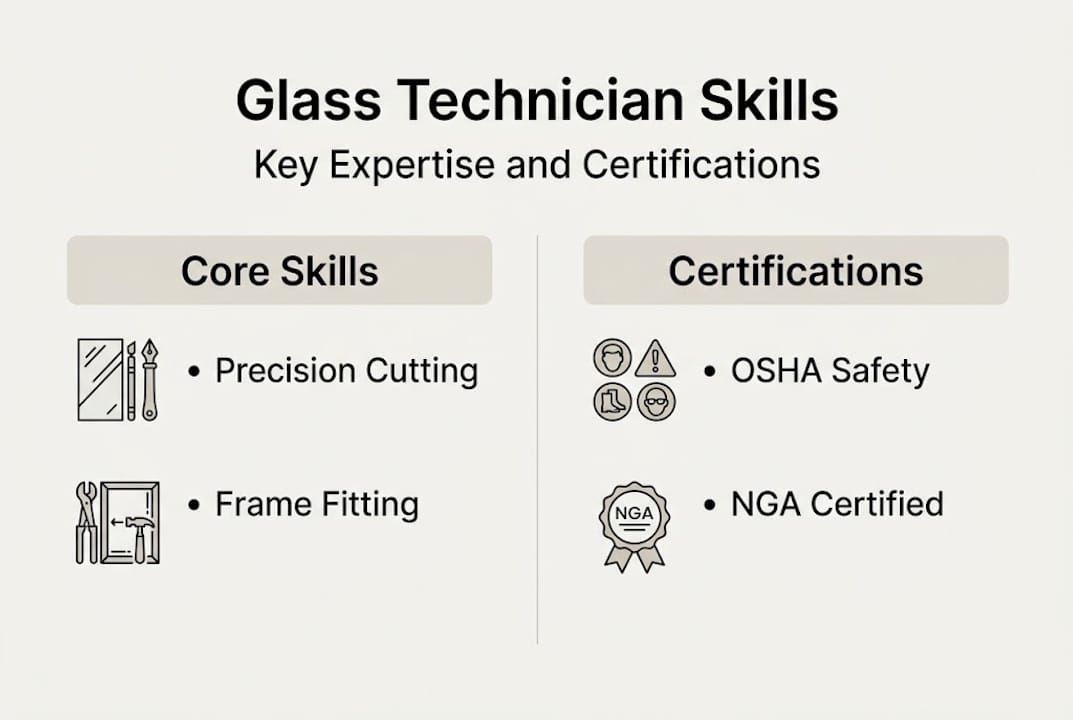
In Maryland and Virginia, most professional glaziers complete 3 to 4 year apprenticeships that include up to 8,000 hours of on-the-job training. These programs cover everything from basic glass cutting to rigging large commercial panels. Maryland does not require a statewide glazing license, but county-level contractor credentials are mandatory. Virginia has its own contractor licensing requirements that vary by project scope.
Key certifications to look for include:
- OSHA safety certification: Confirms the technician follows federal workplace safety standards
- NGA certification: The National Glass Association offers training programs and credentials that signal professional-level competency
- County contractor credentials: Required in Maryland counties and relevant Virginia jurisdictions
- Manufacturer certifications: Some glass product warranties require installation by certified technicians
Here is a quick comparison to help you evaluate candidates:
| Credential | What it signals | Why it matters to you |
|---|---|---|
| OSHA certification | Safety protocol training | Reduces risk of injury or property damage |
| NGA certification | Industry-recognized competency | Higher quality workmanship |
| County contractor license | Legal compliance | Protects you from liability |
| Apprenticeship completion | Hands-on experience | Practical skill across real job types |
When you contact a provider for window glass repair services, asking about credentials upfront is not rude. It is smart. A reputable technician will answer those questions without hesitation.
The difference between a certified and uncertified technician often shows up months after the job is done, in the form of drafts around windows, fogged glass between panes, or seals that fail in the first winter.
Safety and specialized expertise: What most people miss
Glass work carries real physical risk. This is the part of the job that rarely gets discussed in a standard service quote, but it shapes every decision a trained technician makes on site.
Tempered glass, which is used in shower doors, car windows, and many commercial applications, is designed to shatter into small, blunt pieces rather than sharp shards. But here is what most people do not know: mis-scored tempered glass explodes unpredictably during cutting. Untrained individuals attempting to cut or modify tempered glass face serious injury risk. Professionals know not to cut tempered glass at all. It must be ordered pre-cut to exact dimensions.
Other safety realities that trained technicians manage include:
- Personal protective equipment (PPE): Cut-resistant gloves, safety glasses, and steel-toed boots are non-negotiable on every job
- Rigging for elevated work: Installing glass on upper floors or high-rise buildings requires certified rigging equipment and training
- Frame and seal inspection: Checking that surrounding frames are structurally sound before installing new glass prevents repeat failures
- Disposal of broken glass: Proper containment and disposal protects workers, clients, and anyone else on site
“Skipping a frame inspection before installing new glass is like putting new tires on a car with a bent axle. The new part fails faster because the underlying problem was never fixed.”
For homeowners in areas like Vienna, Virginia, older homes often have wood frames that have warped or rotted over time. A technician who only replaces the glass without checking the frame is setting you up for another repair call within a year.
The cost of a poor DIY attempt goes beyond the price of replacement glass. It includes potential injury, structural damage to the frame, voided manufacturer warranties, and in some cases, failed building inspections.
Our perspective: Glass professionals ensure peace of mind
After years of serving homeowners and businesses across Maryland and Virginia, we have seen a consistent pattern: the clients who shop purely on price often end up paying more in the long run. A low quote that skips frame inspection, uses uncertified materials, or rushes the sealing process creates problems that show up six months later.
What really sets a great glass technician apart is not just technical skill. It is the ability to spot what you cannot see, communicate it clearly, and fix it right the first time. Subtle issues like a slightly misaligned pane or an inadequate seal have compounding effects on energy bills, security, and structural integrity.
We also see clients surprised to learn that certified work often supports insurance claims and code compliance in ways that DIY or uncertified repairs do not. Explore our glass repair insights for real-world examples of how professional expertise protects your investment over time. Experience is not a premium. It is the baseline.
Get expert glass solutions for your home or business
If this article has made one thing clear, it is that glass work is a skilled trade that deserves skilled professionals. Whether you need a single window replaced or a full commercial storefront installed, the quality of the technician matters as much as the quality of the glass.
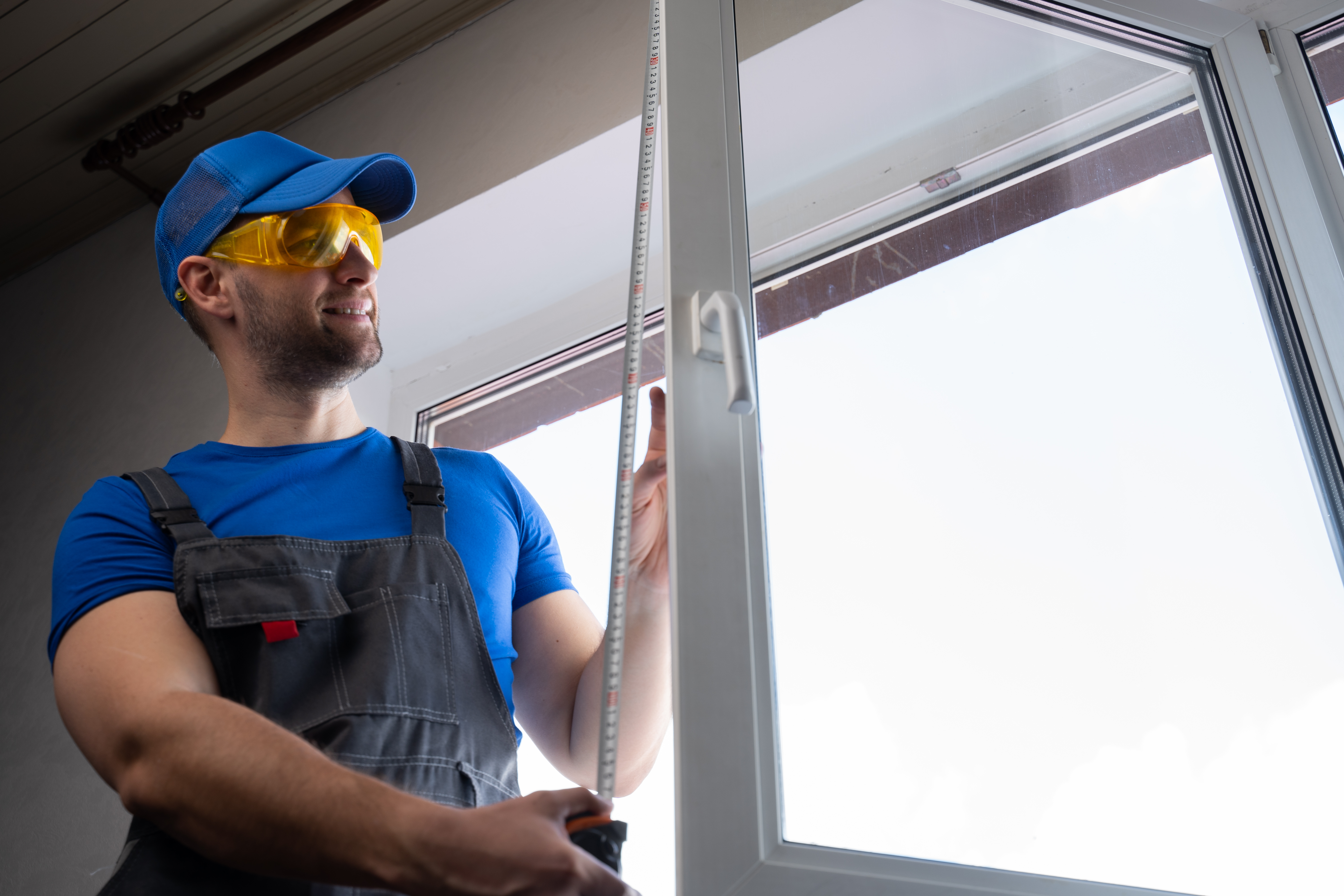
At Quick Glass Repair, our team of certified technicians serves homeowners and businesses across Maryland and Virginia with transparent pricing and reliable results. Browse our full glass repair services to see everything we offer, from glass door repair to custom frameless glass mirror options. Getting started is simple. Reach out for a quote and let us show you what professional glass work actually looks like.
Frequently asked questions
What services do glass technicians provide for homes and businesses?
Glass technicians install, repair, and replace windows, doors, mirrors, and custom glass in both residential and commercial properties, including storefronts, shower enclosures, and tabletops.
How long does it take to become a certified glass technician in Maryland or Virginia?
Most glass technicians complete 3 to 4 year apprenticeships and may earn OSHA and NGA certifications. Maryland requires county credentials but does not have a statewide glazing license.
Why is using a certified glass technician safer than attempting DIY repairs?
Certified technicians use proper tools, follow safety protocols, and prevent costly or dangerous mistakes. For example, mis-scored tempered glass can explode unexpectedly, a risk that trained professionals know how to avoid entirely.
What should I ask before hiring a glass technician?
Ask about their apprenticeship history, OSHA and NGA certifications, experience with your specific project type, and whether they inspect frames and seals as part of the job.